
Booking management
Calendars, portals, dynamic pricing and guest communication: a single point of contact for every sales channel.
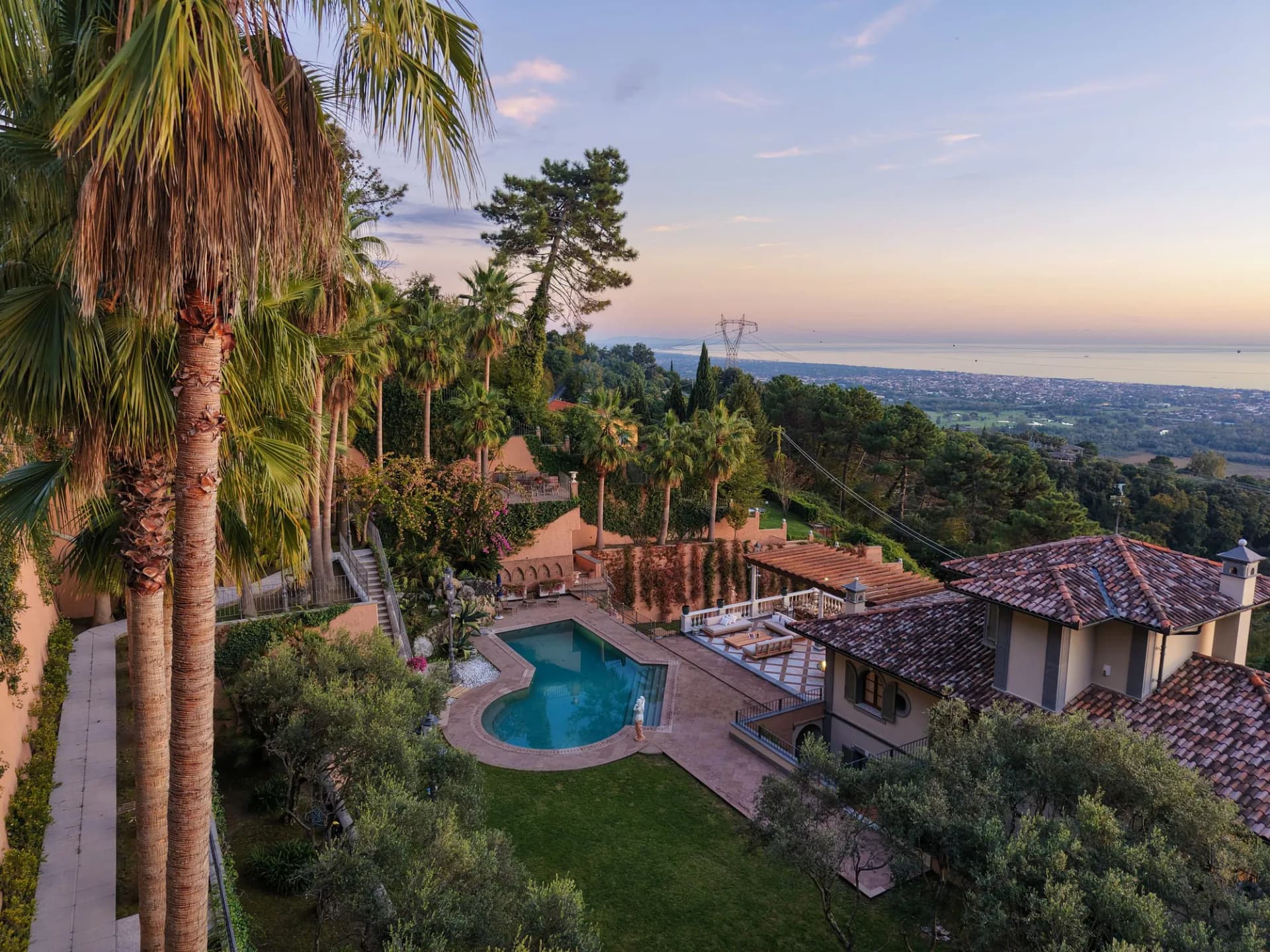
Property management in Tuscany
Tripcare, a luxury villa property-management company in Tuscany, manages your property end to end — bookings, guests, maintenance — with its own team on the ground.
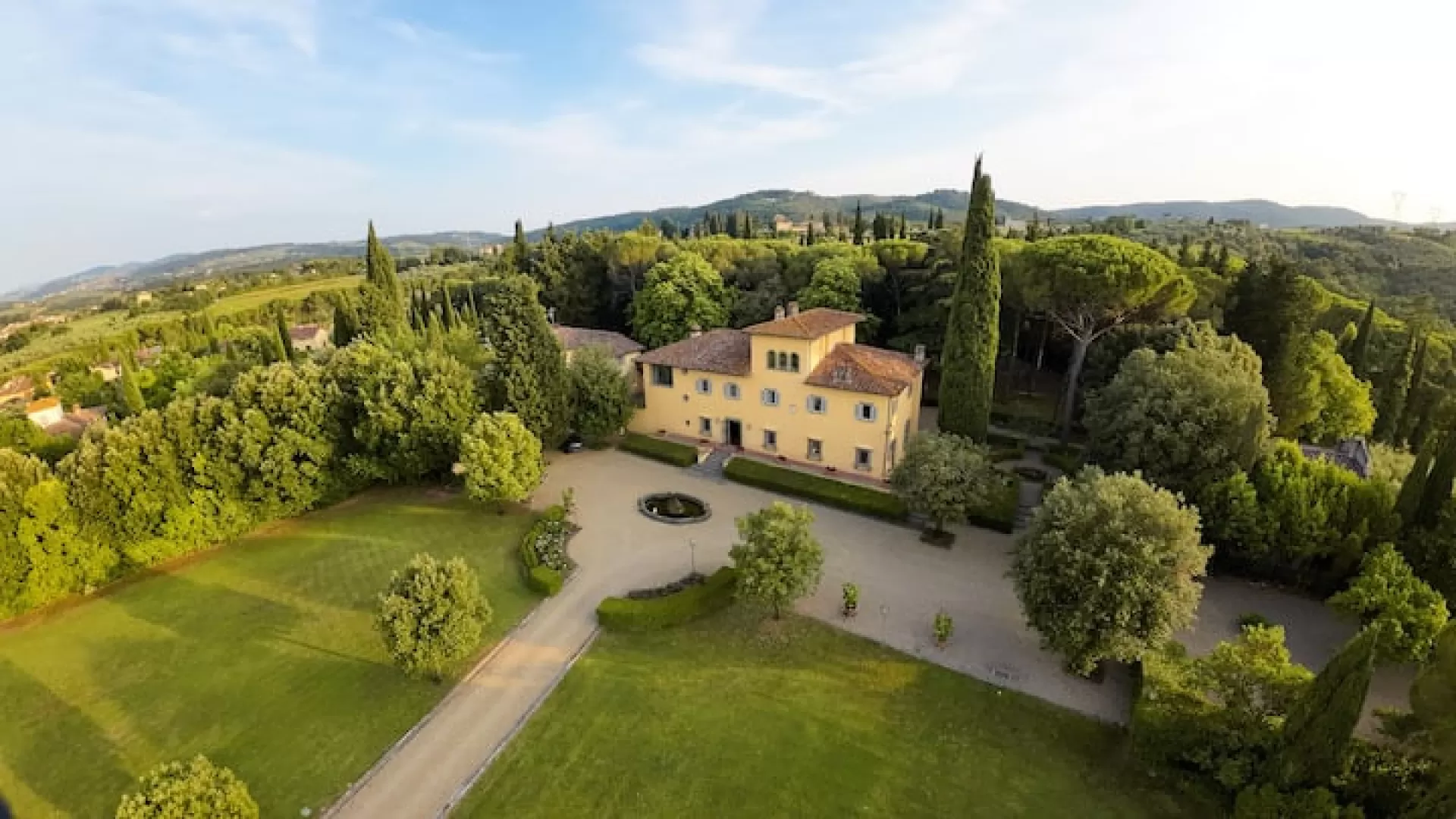
Tripcare provides luxury villa property management across Tuscany from its operational base in Poggibonsi, between Chianti and San Gimignano. The team reaches every property in person: real check-ins, regular inspections, and maintenance handled in hours rather than days — because we live where the properties are.
Knowing the territory also means knowing its rules: every Tuscan municipality applies its own tourist tax and its own procedures. We handle all of it, from the police guest portal to ISTAT reporting.
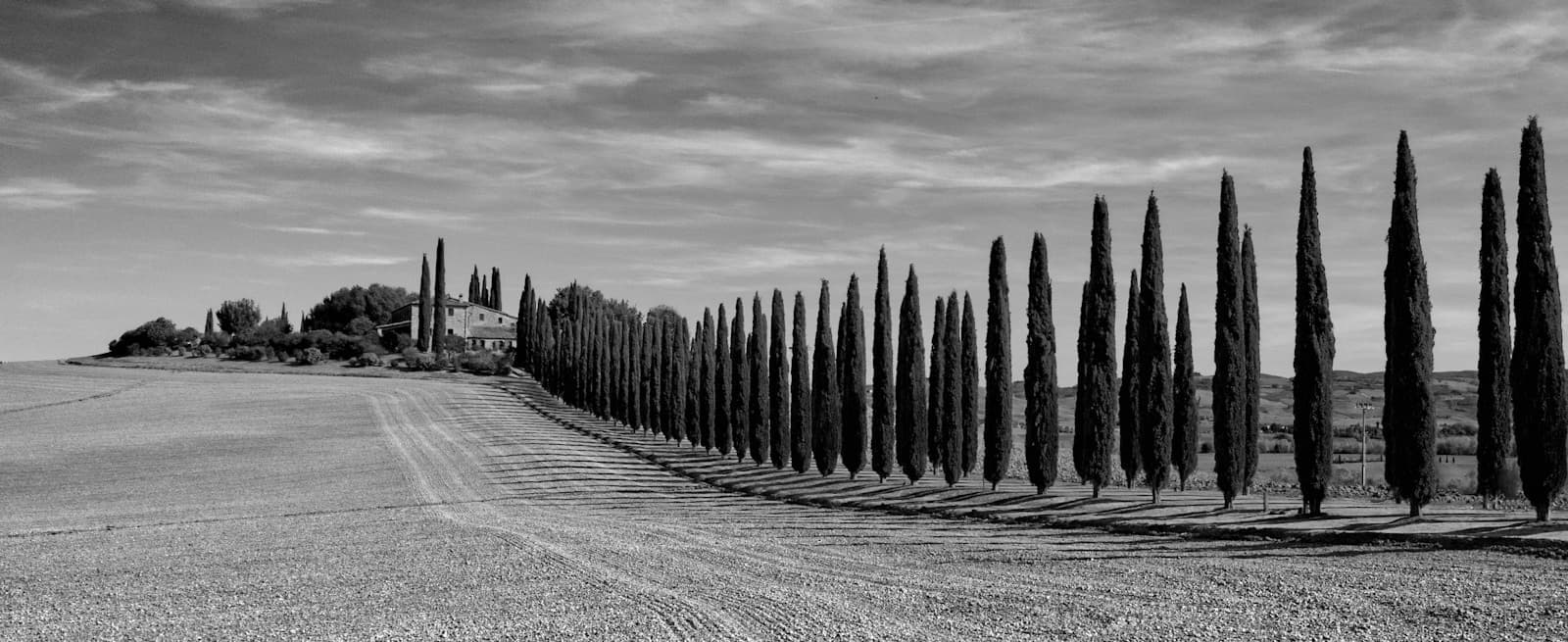
Born and raised in the heart of Tuscany, Tripcare is the ideal partner for property owners. We operate across the whole region, guaranteeing complete, worry-free management that brings out the very best in every property.
We are not simply a booking portal: we are a Tuscan company with a physical head office, our own people and our own vehicles on the ground. We know the roads, the villages, the suppliers and the regulations of every area we cover — which translates into fast response times, consistent standards and owners who never have to think about a thing.
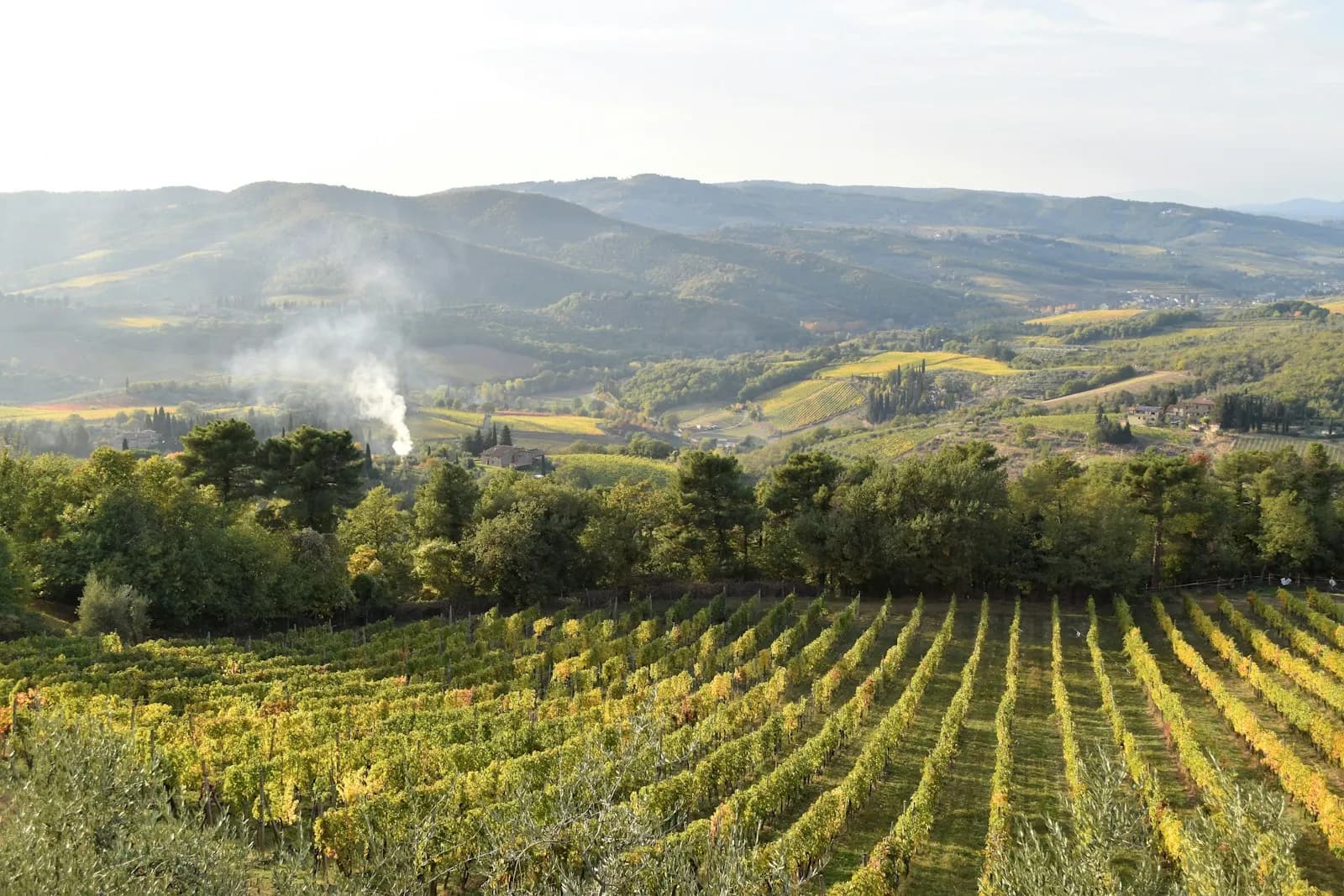
Head office
Poggibonsi
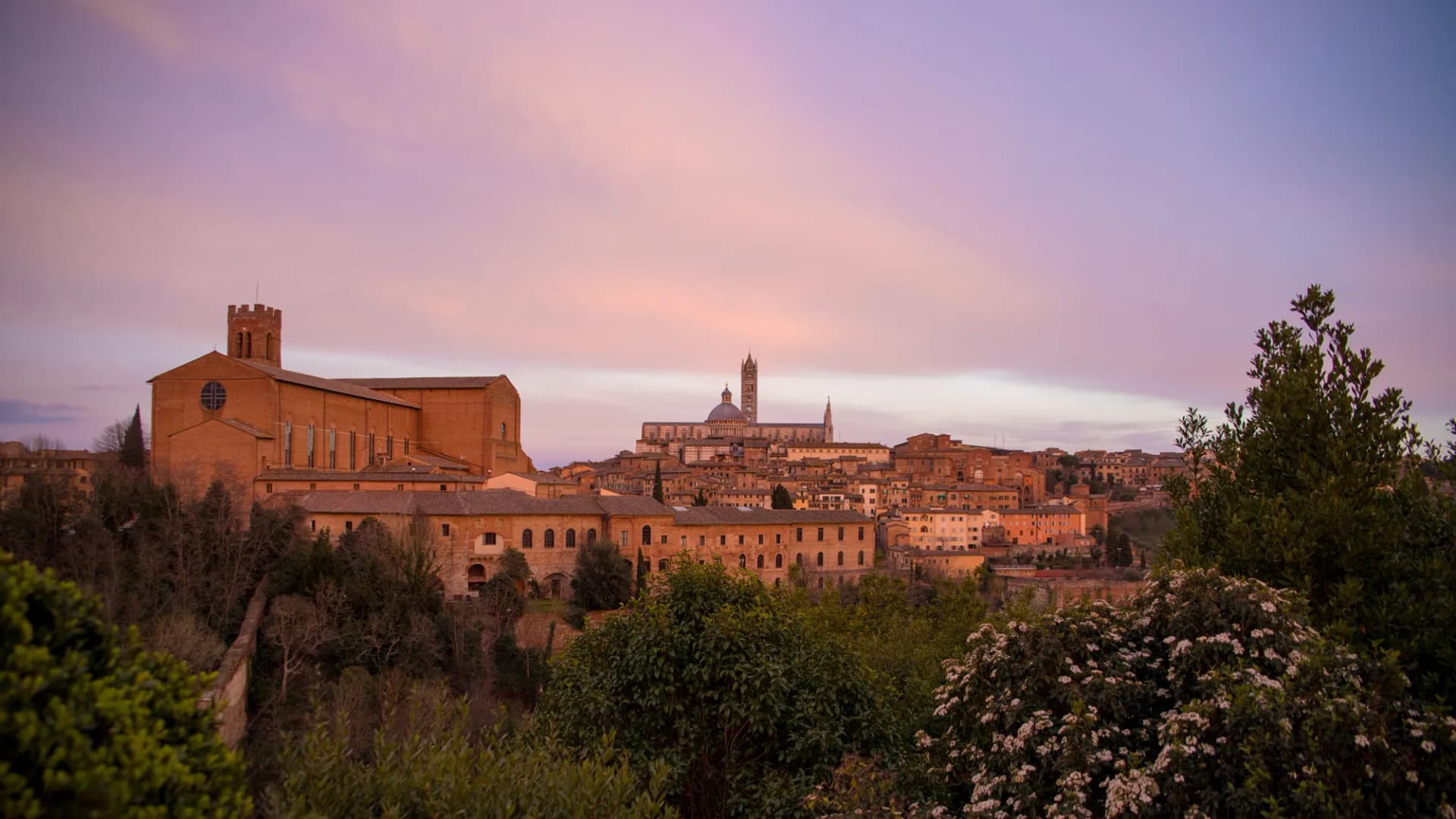
Poggibonsi, in the Valdelsa: Chianti, San Gimignano and Siena within half an hour.
From Versilia to the Val d’Orcia, with operational teams on site.
Bookings, guest welcome, cleaning, maintenance and paperwork.
Tripcare covers 76 Tuscan towns from a single office, Poggibonsi, and publishes a page for each only once it has managed villas within 15 kilometres and a confirmed team: 44 today. Every dot on the map is a page; the lines are the team’s real routes, whose minutes are in the zone table below.
Tripcare office: Poggibonsi
76 towns, 44 published pages
Solid dot: indexed page with managed villas within 15 km. Hollow dot: profile in preparation. The lines start from the office.
Tripcare works across nine areas of Tuscany, from the Versilia coast to the Sienese hills, with the Poggibonsi base as its starting point. Each area has its own page because the work is not the same: the houses, the seasons, the distances and the problems that arise through the year all differ.
Tripcare covers nine areas of Tuscany and the work changes in each: on the coast the season is compressed and changeovers are fast, in Chianti and the Val d’Orcia it runs longer, in the villages it continues all year with short stays. Each page describes how we work there, not in general.
Tripcare measures every area with the real road minutes from the Poggibonsi office to its nearest and farthest town, computed once on the road network rather than estimated: it is the figure that decides how we organise the team, from our own vans in Chianti to fixed local suppliers in the Versilia and the Maremma.
| Area | From office (min) | Towns covered | Published pages | Villas managed |
|---|---|---|---|---|
| Chianti | 1–49 | 18 | 11 | 13 |
| Val d'Orcia | 84–100 | 5 | 5 | 6 |
| Siena | 19–64 | 4 | 2 | 8 |
| Firenze | 35–61 | 7 | 4 | 3 |
| Versilia | 101–116 | 5 | 5 | 1 |
| Volterra | 44–94 | 7 | 5 | 6 |
| Lucca | 81–120 | 1 | 0 | 0 |
| Valdichiana | 61–98 | 15 | 8 | 8 |
| Maremma | 90–152 | 10 | 0 | 0 |
Driving minutes (OSRM) from the centre of the registered towns, without traffic. Villas managed = properties within 15 km of at least one town in the area.
Tripcare covers six areas: bookings and pricing, guest welcome, cleaning and linen, maintenance, tax compliance and reporting. Each has a page explaining how we carry it out in Tuscany, how often, and with which team.
A villa with a pool, an isolated farmhouse and an apartment in a historic centre need different work, and an owner who has inherited a house asks different questions from one buying as an investment. Below is the page that matches your case.
Tripcare vehicles connect the head office to the properties we manage: clean linen, supplies, equipment and technicians arrive where they are needed, when they are needed. It is the difference between having your own store and your own team and depending on outside suppliers — a changeover does not wait on somebody else’s availability, and neither does a weekend breakdown.
Tripcare staff, not middlemen: whoever arrives at the door answers to us.
Equipped vehicles and a central store, to resolve things the same day.
Collected and delivered at every changeover, with stock always available.
Beyond booking management, we take care of everything that physically happens at the property, with our own people on site: welcome and check-in, cleaning and linen to hotel standard, garden and pool, maintenance of the systems, and compliance. The owner has one point of contact for all of it.
Calendars, portals, dynamic pricing and guest communication: a single point of contact for every sales channel.
Welcome in person on site and full management of departures: key handover, introduction to the house and a final check of the property.
Professional cleaning at every changeover and a supply of hotel linen, washed and pressed to hotel standards.
Prompt ordinary and extraordinary interventions to keep the property in perfect condition: systems, garden, pool and small repairs.
Tourist tax, the State Police guest-registration portal, ISTAT returns and regulatory obligations: we handle the deadlines and the filings.
Continuous in-person and telephone support for guests staying in our properties, seven days a week, in Italian and English.
Tripcare takes a house from first call to guests in about a month, with two fixed dates: the written proposal arrives within 48 hours of the survey, and thirty days pass between signing and going live. The survey and the whole set-up cost nothing.
We come and see the house in person — you cannot assess a villa from photographs. We look at the state of the systems, the pool, the access, how many guests it can genuinely take and in what comfort, and what work is needed before it goes live. Free and without obligation, even if you then decide not to appoint us.
It reaches you in writing: an estimate of what that house can earn in that area, a management plan with the services included, and the fee. On paper, before any commitment, so you have something to compare rather than a promise made over the phone.
Once signed, the house has to be made ready: small works, styling the rooms, linen and kitchen inventory. Then it is photographed. This is the step that weighs most on the outcome — a listing is chosen from its images, and poor photographs cost bookings for years.
Registrations, the identification code, the required notifications and channel set-up. We set the seasonal pricing calendar and the house rules, and block the periods you want to keep for yourself. From here the villa is live and the enquiries come to us.
We watch the first changeover particularly closely: it is the one that shows what a house is really missing. From there the routine begins — cleaning, checks, maintenance — and each month you receive the statement with the original invoices attached.
Tripcare runs its Tuscan villas with its own teams and a central store in Poggibonsi. Saturday is changeover day, the week is built around scheduled checks, and whoever arrives at your door is our staff, not a supplier found at the last minute.
Saturday starts early. The cleaning team leaves the store with linen washed and pressed to hotel standard — sheets, pool towels, bathroom linen — and reaches the house as soon as the guests have gone. It is not only cleaning: every room is checked for what has broken or been left behind, the kitchen inventory is verified, consumables are refilled. Anything missing is replaced on the same round, because the next group arrives that afternoon.
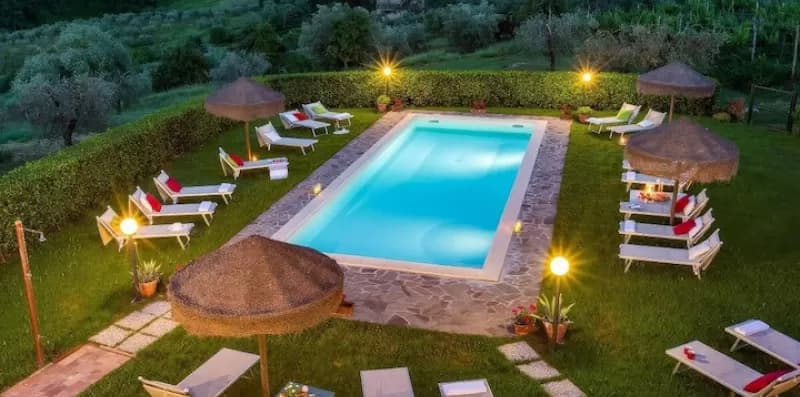
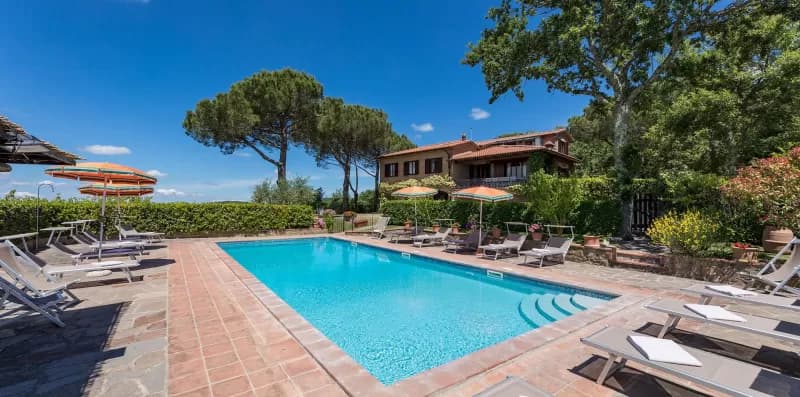
Meanwhile another team works through the pools. In July and August the checks are close together: chlorine, pH, filters, and a water level that drops far faster in a full house than an owner expects. The gardener comes on his own cycle — hedges, lawn, olive trees — and in high season the frequency rises, because a neglected garden is the first thing a guest photographs and reviews.
We do check-in in person, keys in hand. Someone from the team arrives before the guests, opens the house, explains the systems — which in a Tuscan farmhouse are rarely self-evident — leaves the numbers to call, and answers the questions no written guide anticipates: where to buy bread on a Sunday, which gravel road to avoid after rain, what time the nearest petrol station closes.
Between changeovers is the part nobody sees, and it is what keeps a house standing. Wells and pressure pumps watched when it has not rained for weeks. The LPG boiler filled before the December family arrives, not after. Insect screens, shutters, the pool closed at the end of the season and opened again in spring. The system inspections the law requires and which, when missed, are always discovered at the worst possible moment.
What the owner sees of all this is two things: a house that works, and the monthly statement. Supplier work — cleaning, garden, pool, maintenance — is rebilled at cost with the original invoices attached, with no mark-up. When something breaks at eight in the evening, we take the call and we solve it: the owner reads what happened in the report rather than being woken to decide it.
Tripcare handles the obligations a short let carries: the national identification code, reporting guests to the police, tourist tax, statistical returns and certifying withholdings. The owner signs the mandate once, and from then on receives documents rather than deadlines.
Letting short-term in Italy is not complicated, but it is full of small deadlines that do not forgive. Every property must carry its own national identification code, displayed in every listing. Guests must be reported to the police through Alloggiati Web within the hours allowed after arrival — a public-security obligation, not a formality. Tourist tax has to be collected, declared and paid under the rules of the comune, and in Tuscany every comune has its own: different amounts, different exemptions, different deadlines.
On top of that sits the tax side proper: the flat-rate regime available on short lets, the withholding applied by whoever collects on your behalf, the certificate that follows and must be delivered on time, and the threshold beyond which the activity stops being occasional and becomes a business, with a VAT number and different obligations.
We hold these threads together for the houses we manage, and when an owner lives abroad — which is often — the difference is substantial: they do not have to follow an Italian calendar or interpret a municipal regulation in a language that is not theirs. What we do not do is replace your accountant: we prepare the documents, meet the operational deadlines and hand everything over in order so that they can do their work.
The rules change often, and Italian budget laws touch this area almost every year. That is why we keep a page updated with the rates, thresholds and obligations in force, with the date of the last revision shown plainly: it is the right place to check the numbers before making a decision.
«From 2026, the tax regime for short lets under Decree-Law 50/2017, art. 4, paragraphs 2 and 3, may be applied only where no more than two apartments per tax period are used for short lets (until 31 December 2025 the limit was four apartments). In all other cases, short-let activity, by whomever carried out, is presumed to be conducted as a business.»
Agenzia delle Entrate, «Le locazioni brevi e la cedolare secca» — our translation
«Managers of hotels and of all other accommodation facilities must, within 24 hours of arrival, communicate to the territorially competent police headquarters, exclusively through the Servizio Alloggiati, the personal details of the persons accommodated. If the stay is shorter than 24 hours, the details must be sent on arrival itself.»
Polizia di Stato, Portale Alloggiati Web (art. 109 T.U.L.P.S.) — our translation
Tripcare works a season that in Tuscany is long but far from uniform: summer fills the calendar, spring and autumn bring shorter stays and different guests, and winter is when the maintenance gets done. The rhythm changes considerably from one area to another.
From June to September villas with a pool run at full capacity, with long stays — often a full week, Saturday to Saturday — and large groups. It is the period that generates the most substantial part of the year, and also the one where the margin for operational error disappears: a changeover done badly on Saturday cannot be recovered, because the next group arrives that afternoon.
May, and above all September and October, are different months and often underrated. The hills are at their best, the cellars are working, and you get couples and small groups staying three or four nights rather than seven. They need more changeovers for the same number of nights sold, so more operational work — but they extend the season significantly and bring back guests who return.
Winter is not dead time: it is when everything impossible in summer gets done. Repainting, replacements, work on the systems, the pool closed and treated, the checks that need an empty house. Houses in isolated positions still have to be visited: damp, frost and small failures do not wait for spring to show themselves, and finding them in March costs a great deal more than finding them in January.
Geography matters as much as the calendar. On the coast the season is compressed and intense, with fast changeovers and hotel standards. In Chianti and the Val d’Orcia it is longer and starts earlier. In the villages and the art towns the rhythm is different again, made of short stays spread across most of the year. That is why every area we cover has its own page: the houses, the seasons and the problems are not the same.
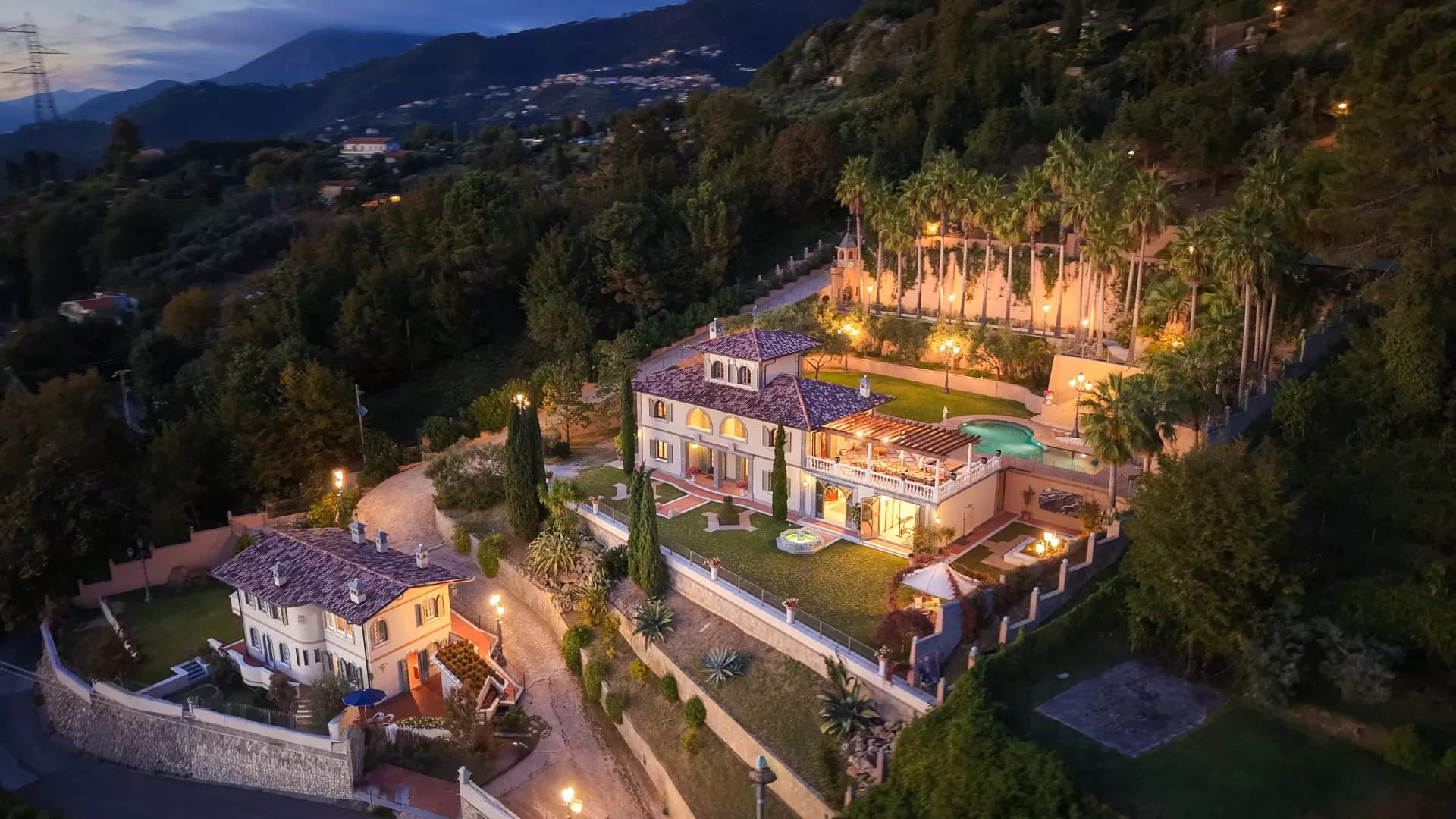
Tripcare manages every house in its portfolio directly, from the villa that sleeps sixteen to the apartment in a village. These are real houses with genuinely different needs: what follows is an extract from the catalogue, not a selection assembled for the window.
Running a range this wide is not the same as running twenty identical houses, and it is the reason the in-house team model holds where a single caretaker would not. A villa for sixteen with a pool and grounds takes half a team-day at every changeover and needs weekly technical checks in high season. An apartment in a historic centre takes far less, but carries constraints the villa does not: tight access, stairs, loading hours, a condominium, parking to explain at every arrival.
In between sit the isolated farmhouses, which are the most demanding case of all: gravel roads that change state after a storm, independent systems — well, pressure pump, LPG, water treatment — that nobody replaces on your behalf, and distances that turn every callout into a journey. That is why we publish a page for each area and each property type: the work is not the same, and promising it identical everywhere would be convenient but untrue.
Nine areas: Chianti, Florence and its surroundings, Siena, Val d’Orcia, Versilia, Volterra with the Alta Val di Cecina, Lucca, the Valdichiana and the Maremma. Our operational base is in Poggibonsi, between Chianti and San Gimignano, and the team reaches every property in person — from the Versilia coast to the Sienese hills.
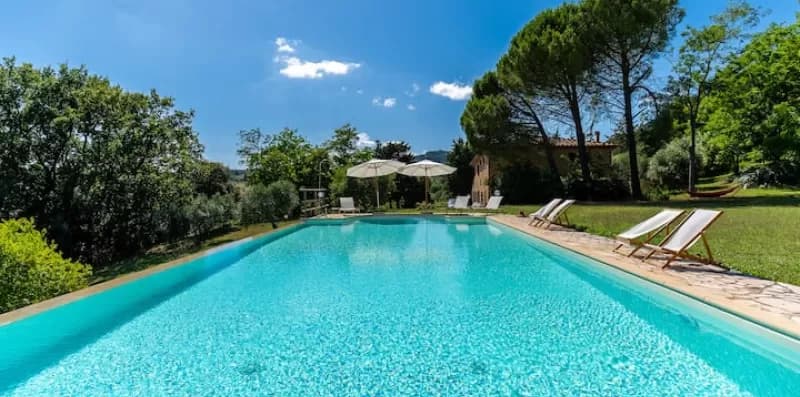
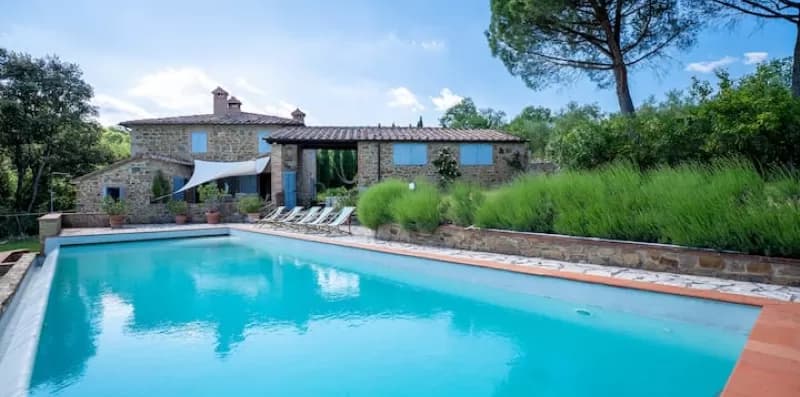
Villas with pools, farmhouses and estates, and fine apartments in the historic centres. The assessment is free: we look at the house, the area and its earning potential before proposing a management plan.
We work on a percentage of rental income, with no set-up fees: we only earn when the house earns. The exact rate depends on the services included and the area, and is set out in the free assessment, before any commitment.
Yes: the service is designed for owners who do not live in Italy. You receive regular statements and a photo report after every inspection, the team speaks English, and the house is looked after all year round, including the months without guests.
Full management covers bookings, guest welcome, cleaning, maintenance and tax compliance, but some services — garden care, pool maintenance, periodic property checks — can also be taken on their own, for instance for a house that is not let.
The team is on the ground and responds within hours, not days, with trusted maintenance staff, plumbers and electricians in every area. Guests have round-the-clock support, so the owner never takes the midnight phone call.
With a free, no-obligation assessment: a visit to the property, an estimate of its earning potential and a tailored proposal. After signing we handle the photography, the listings and the paperwork — everything up to the first guests.
They stay in the owner’s name and the cost sits inside the rate the guest pays: transferring them for every stay would make no sense on a short let. Consumption appears in the monthly statement alongside everything else, so the picture stays readable without reconstructing it.
A short let is a rental contract of up to thirty days between private parties, with no obligatory hotel services. Above a certain number of properties used this way the law presumes a business instead, with a VAT number and different obligations: our regulations page carries the current thresholds and rates.
Yes. The calendar is yours: block the periods you need and we market the rest. It helps to flag summer weeks a few months ahead, since those book earliest and carry the most weight in the year.
The decisions, not the routine: which periods to keep for yourself, which works to authorise, which accountant files your return. Bookings, guests, cleaning, maintenance and the operational obligations are ours, and each month you receive the statement with the original invoices attached.
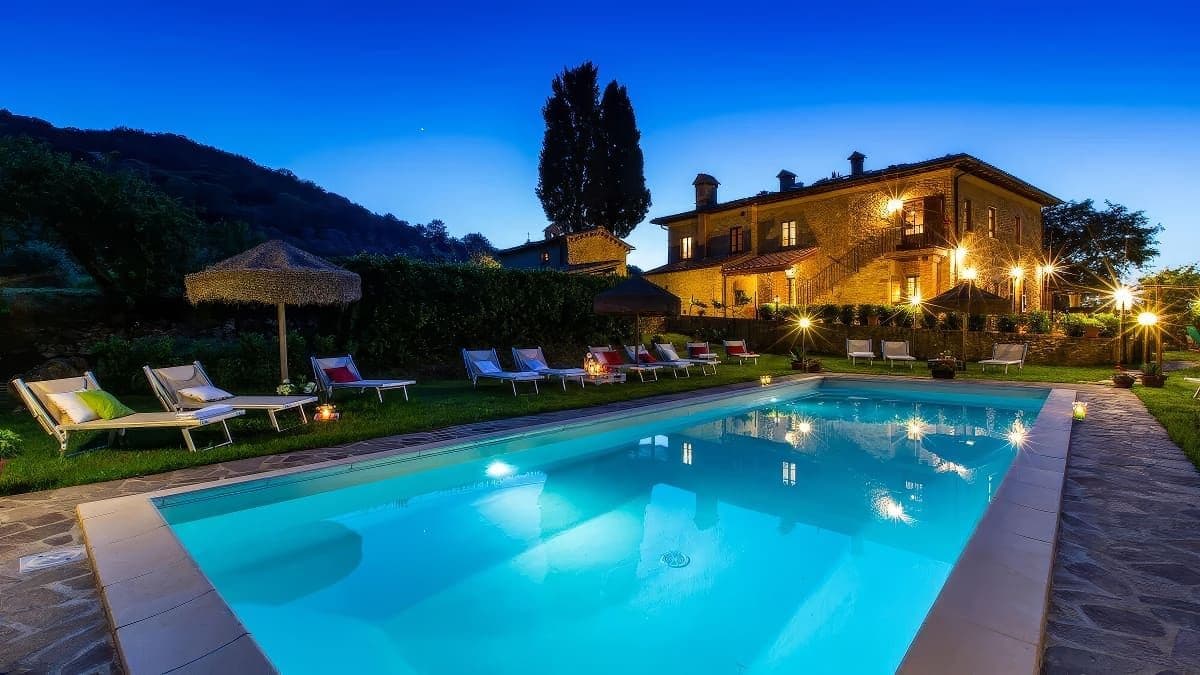
Tell us about your villa, farmhouse or apartment: we will prepare a free, no-obligation revenue assessment.
Fill in the form and we will get back to you with a revenue estimate and a management proposal tailored to your area.
We reply within 48 hours