Destinations
Exclusive villas in Val d'Orcia for rent
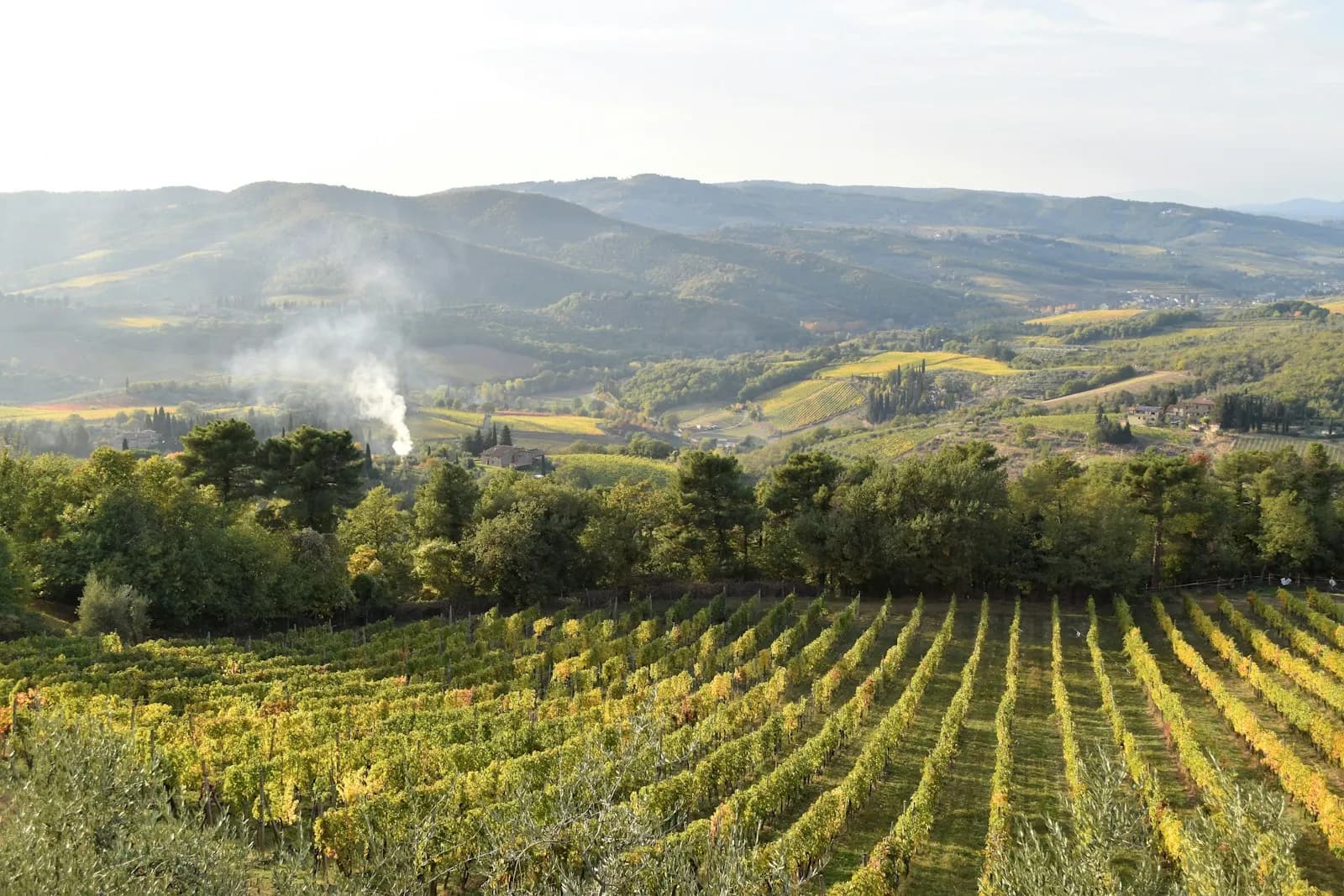
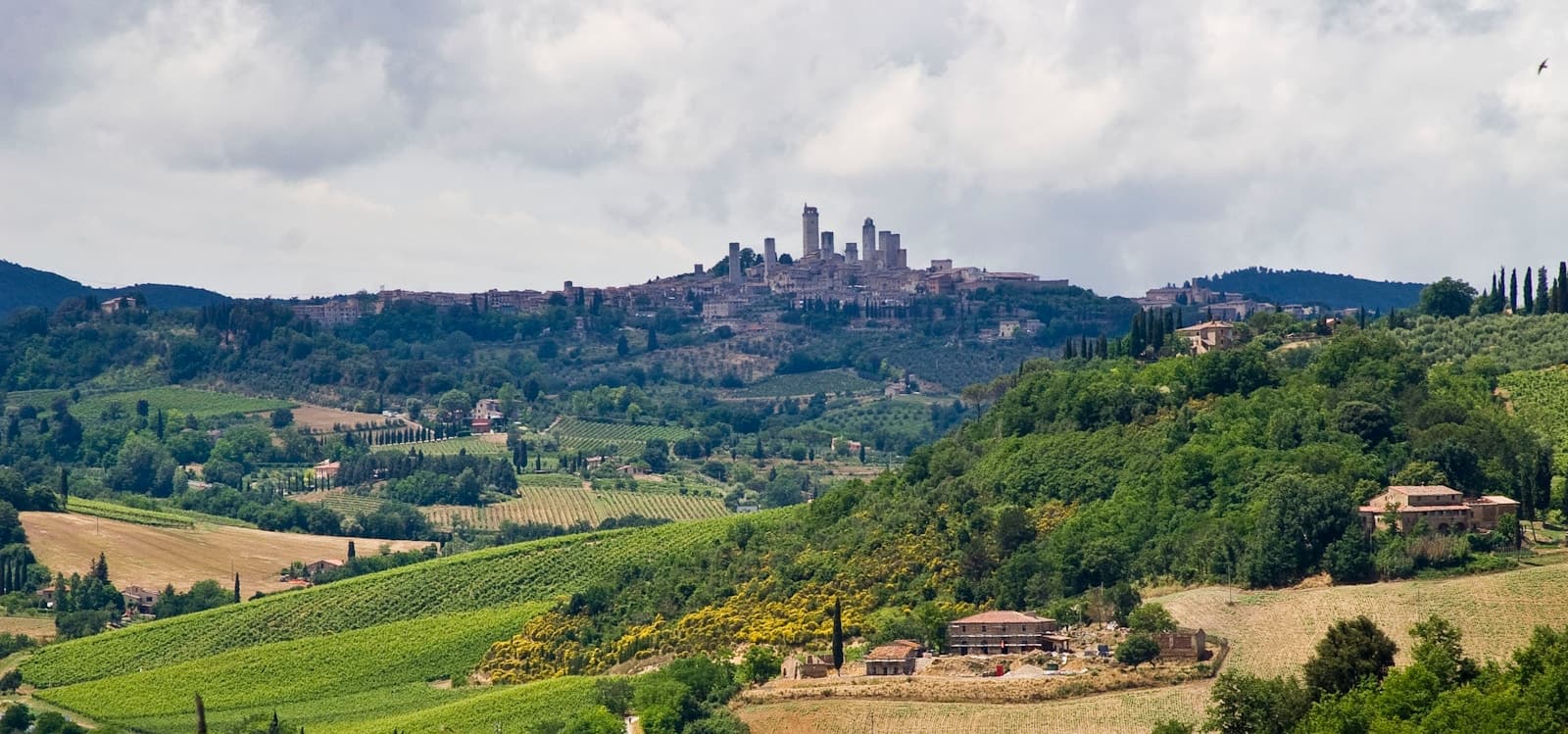
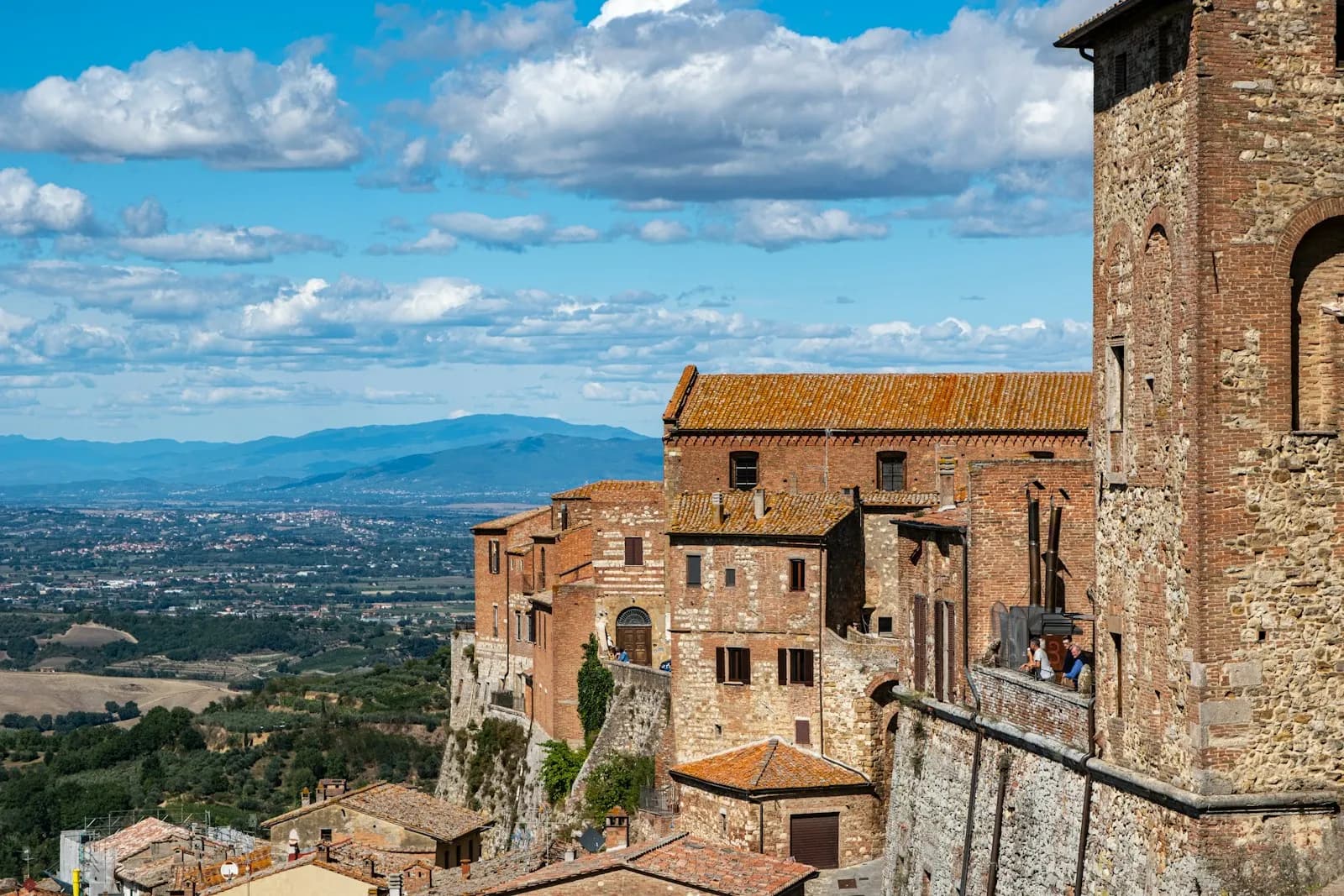
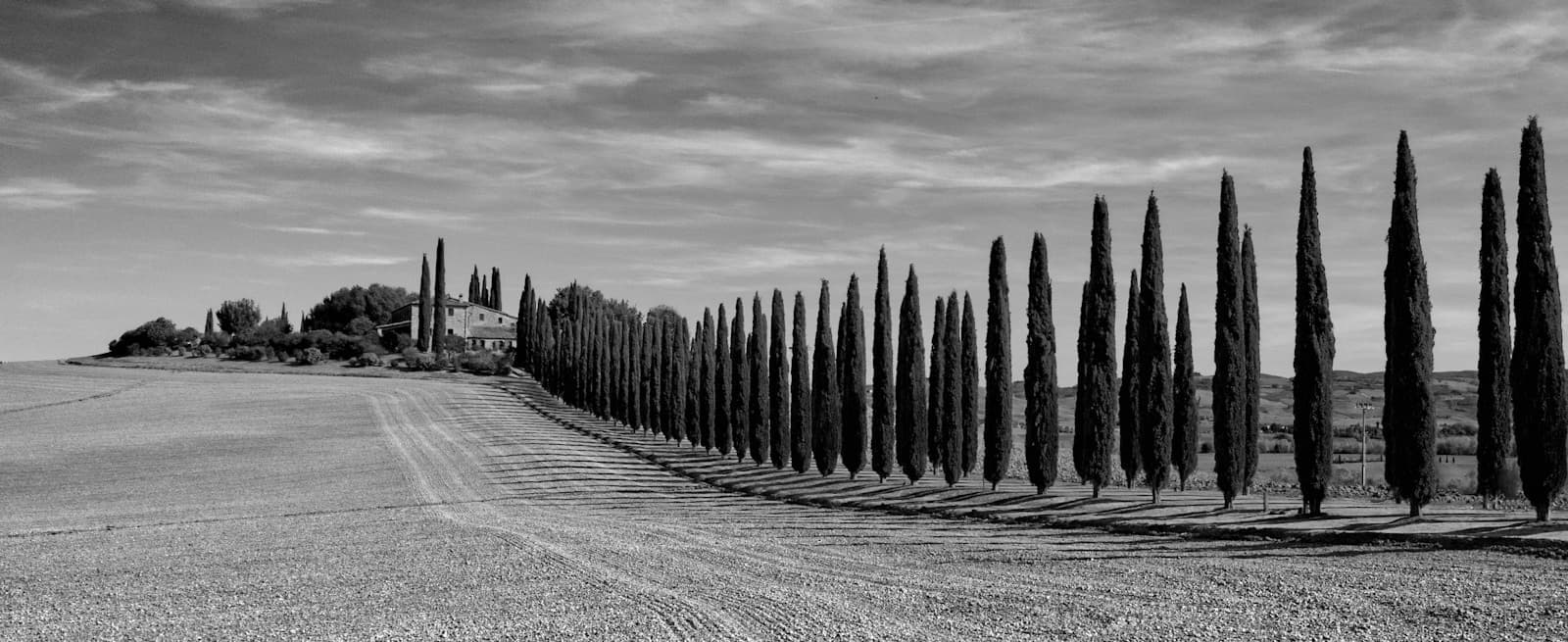
Val d’Orcia is the definitive Tuscan landscape — so perfect it has been a UNESCO World Heritage site since 2004: rolling clay hills, cypress rows along the ridgelines, the tower of Radicofani on the horizon, and Renaissance towns like Pienza, the “ideal city” commissioned by Pope Pius II. Distances here are measured in hilltops, not kilometres: you drive slowly, stop often for photographs, and at night the silence is absolute. This is the destination for contemplative Tuscany — dawn over the valley mist, thermal pools at Bagno Vignoni, a glass of Brunello as the sun drops behind Montalcino.
What the houses here are like
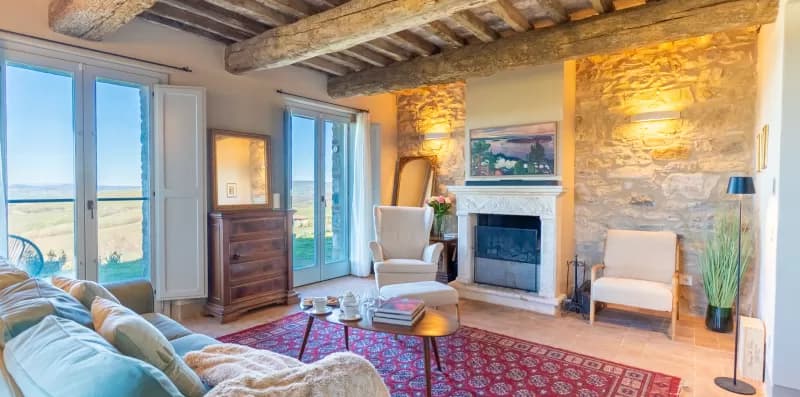
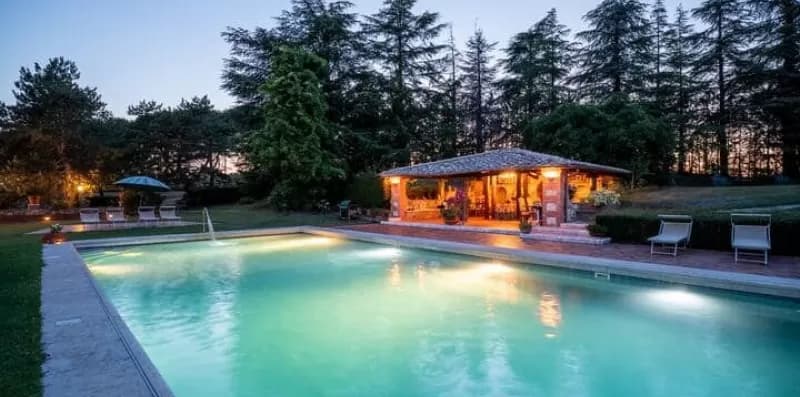
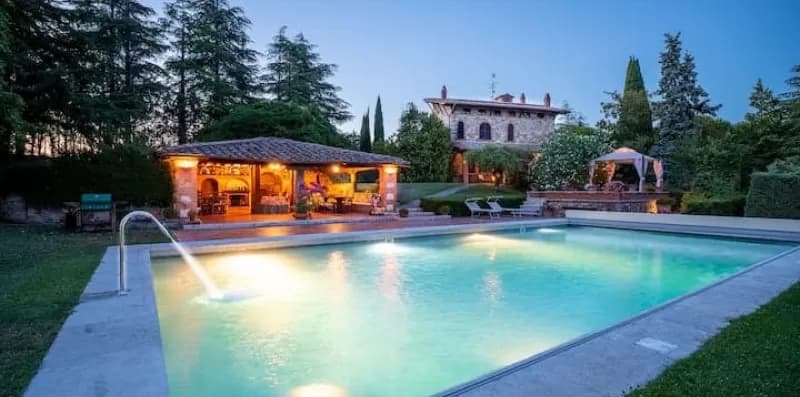
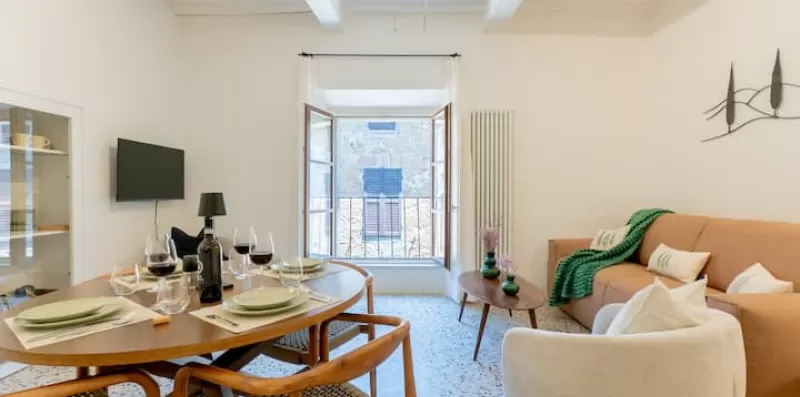
Val d’Orcia houses are almost always secluded, set on a hilltop with the 360-degree views that made the valley famous: stone and travertine farmhouses, spare and elegant interiors, panoramic pools facing Pienza or Monte Amiata. More than anywhere else, the feeling is of having a piece of the landscape to yourself: no neighbour in sight, only wheat fields and wind.
Book with the people who manage the houses directly
Tripcare, a luxury villa property-management company in Tuscany, manages every house in this area directly. Remote houses demand presence, and our team is on the ground all year round: every villa is checked, maintained and prepared directly by Tripcare, with real availability and no middlemen in the booking. Our concierge knows the cellars of Montalcino and Montepulciano, books the thermal baths, and arranges chefs, tastings and e-bike tours among the cypresses.
Where to stay in Val d'Orcia
- Pienza
- Not a village that grew by itself but a town that was designed: Pius II had his birthplace rebuilt from 1459, and the centre has been UNESCO-listed in its own right since 1996. It is the most visited in the valley — full from ten till five, silent either side — and also the one where you can do most on foot. Market on Friday morning, not in the main square but in the open ground of the old cattle market. The whole centre is a restricted traffic zone: park outside the walls, pay, and do not follow the satnav in.
- Montalcino
- The wine town, and the most self-sufficient of the five: at 567 metres it is noticeably cooler than the valley floor, with the 1361 fortress at the top and more wine bars and restaurants open in the evening than anywhere else here. Brunello was granted DOCG status in July 1980, and the production zone matches the comune exactly — twenty-four thousand hectares of which only about fifteen per cent is vineyard. The abbey of Sant’Antimo is a quarter of an hour away. Worth knowing: this is the western end of the valley, so anything east of it becomes a journey.
- San Quirico d’Orcia
- The valley’s practical crossroads rather than its showpiece: it borders Pienza, Montalcino and Castiglione all at once, which makes it the base with the shortest hop to everything. It has a main street that still works as a real town, the Romanesque Collegiata, and the Horti Leonini, a late-sixteenth-century formal garden opening straight off the road. And the chapel of the Madonna di Vitaleta — the white one among cypresses from the photographs — stands on the SP146 between here and Pienza.
- Bagno Vignoni
- Not a town: a hamlet of some thirty residents whose piazza is a sixteenth-century thermal basin, nearly fifty metres by thirty, fed at around forty-nine degrees. You cannot get into it — bathing in the basin is forbidden — but below the village the water runs down channels to medieval mills cut into the rock, a short free walk. It is at its best from November to March, when steam rises off the square and the rest of the valley is shut. You can walk all of it in ten minutes: for anyone wanting variety on foot, this is not the base.
- Castiglione d’Orcia
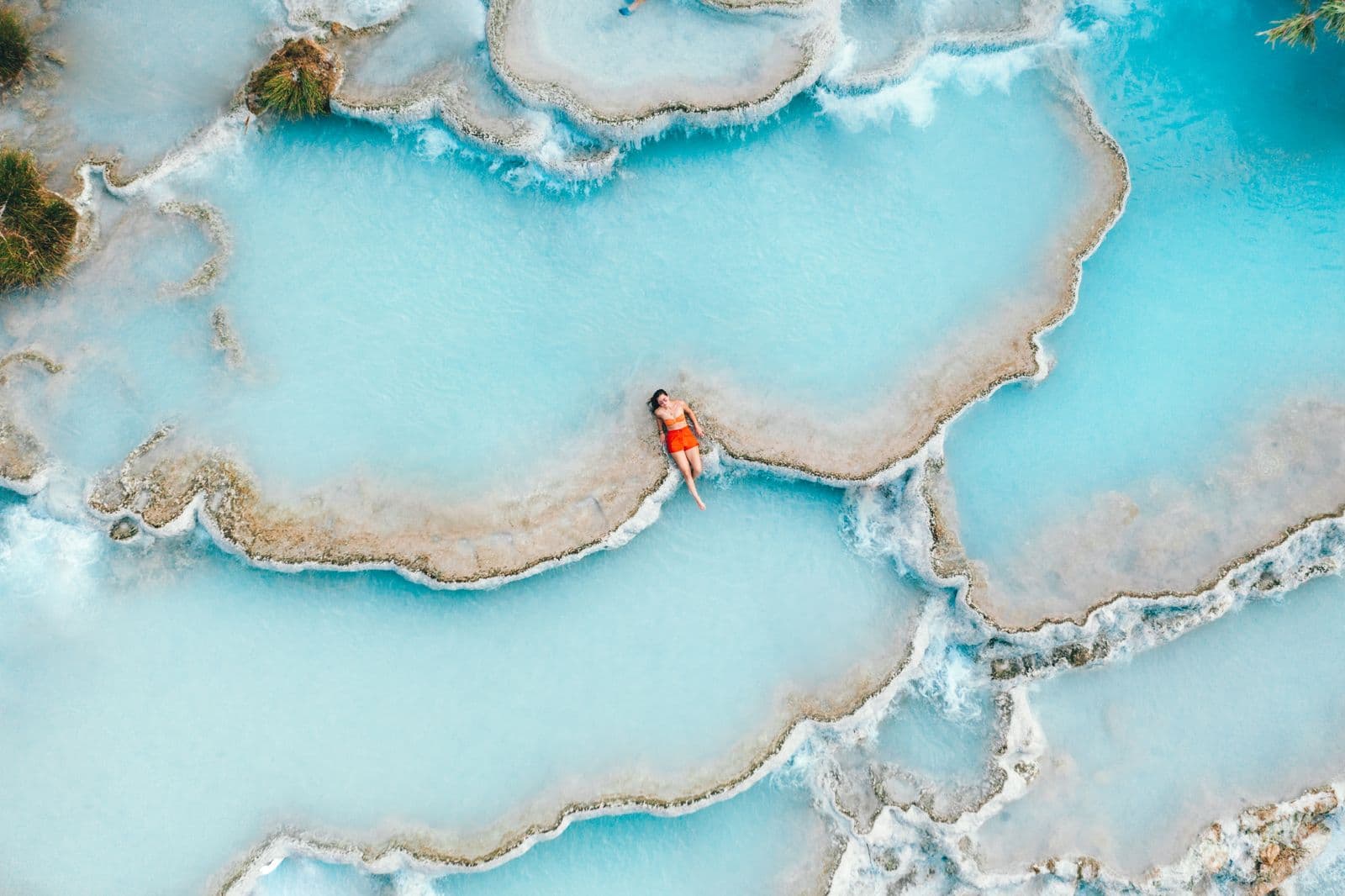
- The least touristy of the five, at 540 metres on the flank of Monte Amiata, with the Rocca di Tentennano visible for miles. One practical warning: the comune is a scatter of hamlets — Rocca d’Orcia, Bagni San Filippo, Campiglia, Vivo, Gallina — and an address reading “Castiglione d’Orcia” can mean twenty minutes of hill road from the village itself. In return you get the Fosso Bianco at Bagni San Filippo: free sulphurous springs, open all year, day and night, where water at close to fifty degrees has built the limestone formation known as the White Whale, ten minutes’ walk from the entrance.
Airports, trains and roads
The reference airports are Florence and Perugia (about 1 hour 45 minutes) and Rome Fiumicino (about 2 hours, convenient for intercontinental arrivals). By train, the most practical station is Chiusi–Chianciano Terme on the Florence–Rome line, half an hour from the villas. A car is essential — and it is also how the valley reveals itself, one panoramic road at a time.
What guests ask us
When is the best time for Val d’Orcia?
May, June and September are the golden months: green or gilded hills, perfect light and ideal temperatures. July and August bring full villa-summer rhythm; October offers the harvest and autumn colours. Winter has its own magic too: low mists, thermal baths, and no crowds at all.
Are the villas very isolated? Is that a problem?
Seclusion is the luxury of Val d’Orcia: silence and views with no neighbours. It is never a practical problem — every villa comes with detailed arrival directions, groceries can be delivered before check-in, and our local team stays reachable throughout your stay.
What is there to do beyond relaxing at the villa?
Brunello tastings in Montalcino and Nobile in Montepulciano, Pienza’s pecorino cheese, the thermal waters of Bagno Vignoni and San Casciano dei Bagni, village markets and festivals, and natural photo sets like the Vitaleta chapel. Our concierge builds the itinerary around you.
Is Val d’Orcia suitable for families with children?
Yes, if the idea is an open-space holiday: private pool, lawns, animals at nearby farms and art cities within day-trip distance. We point out the most suitable villas — fenced grounds, ground-floor bedrooms, outdoor play areas — according to the children’s ages.
What to experience in this area
Do you own a villa in this area?
Tripcare manages villas and farmhouses across Tuscany directly: bookings, guest welcome, maintenance and compliance, with a transparent monthly statement.
Property management in Tuscany