Destinations
Villas in Chianti for rent with private pool
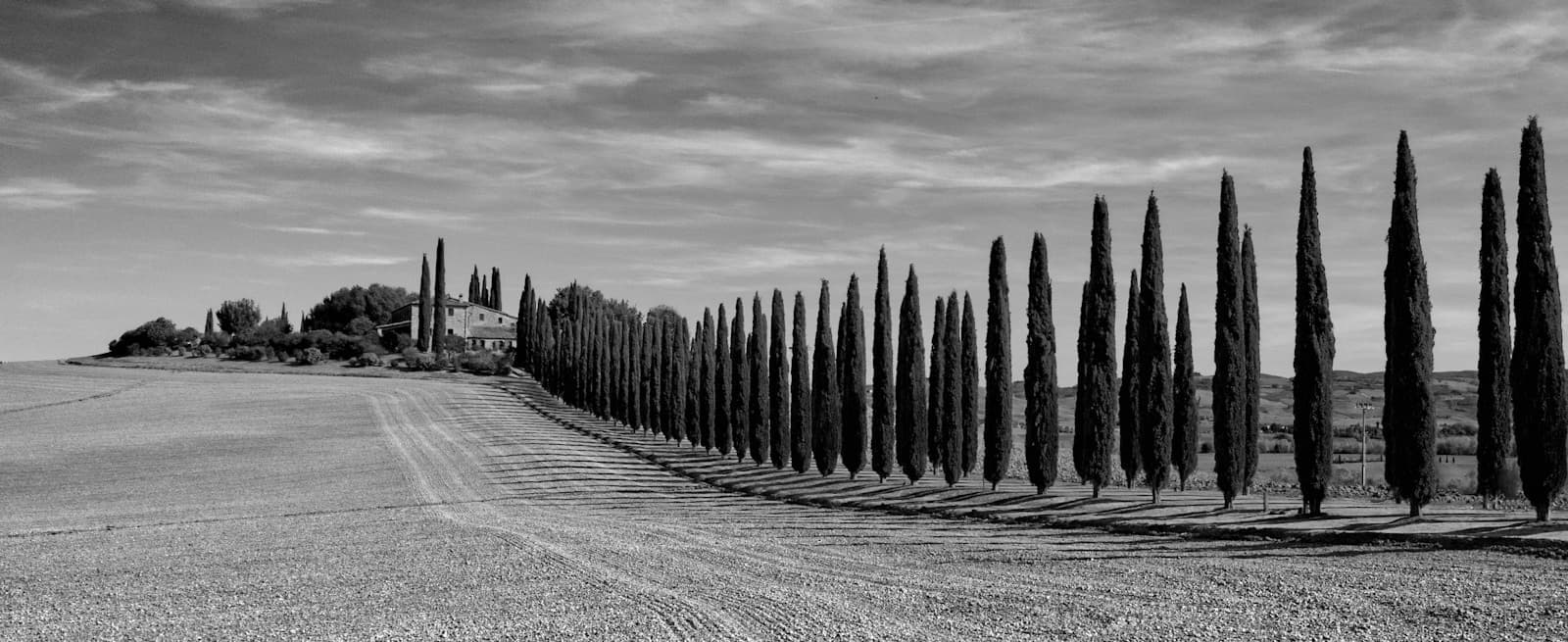
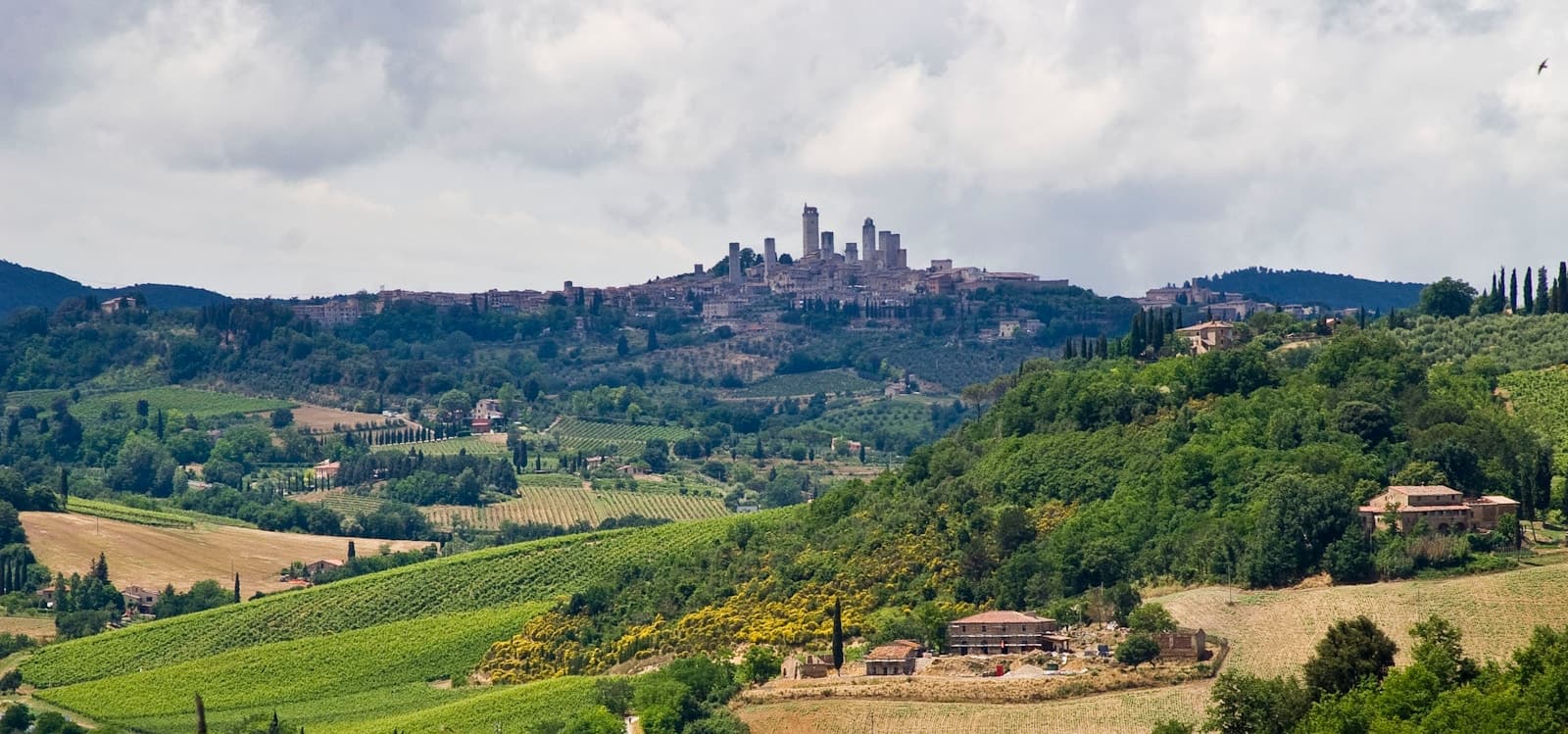
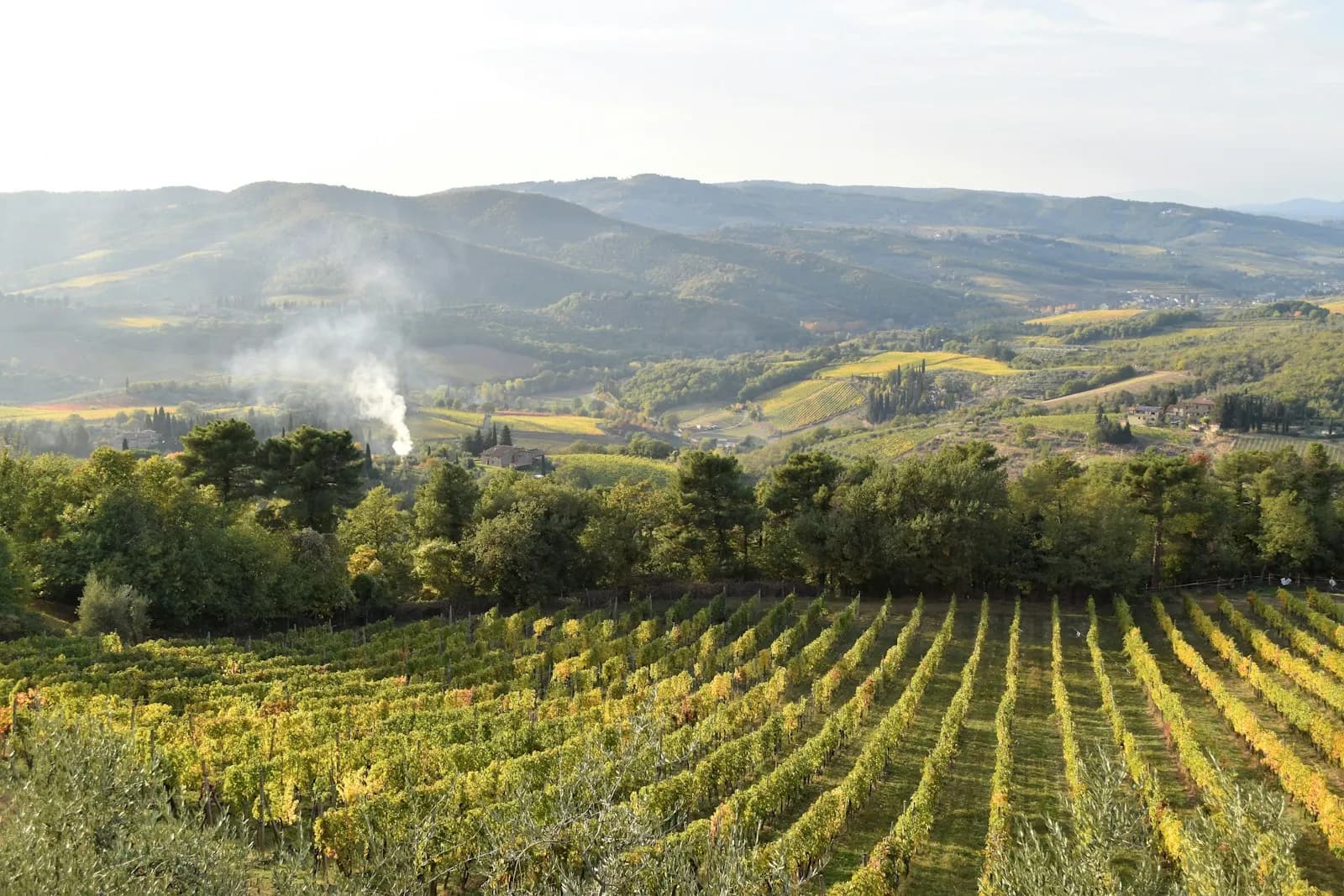
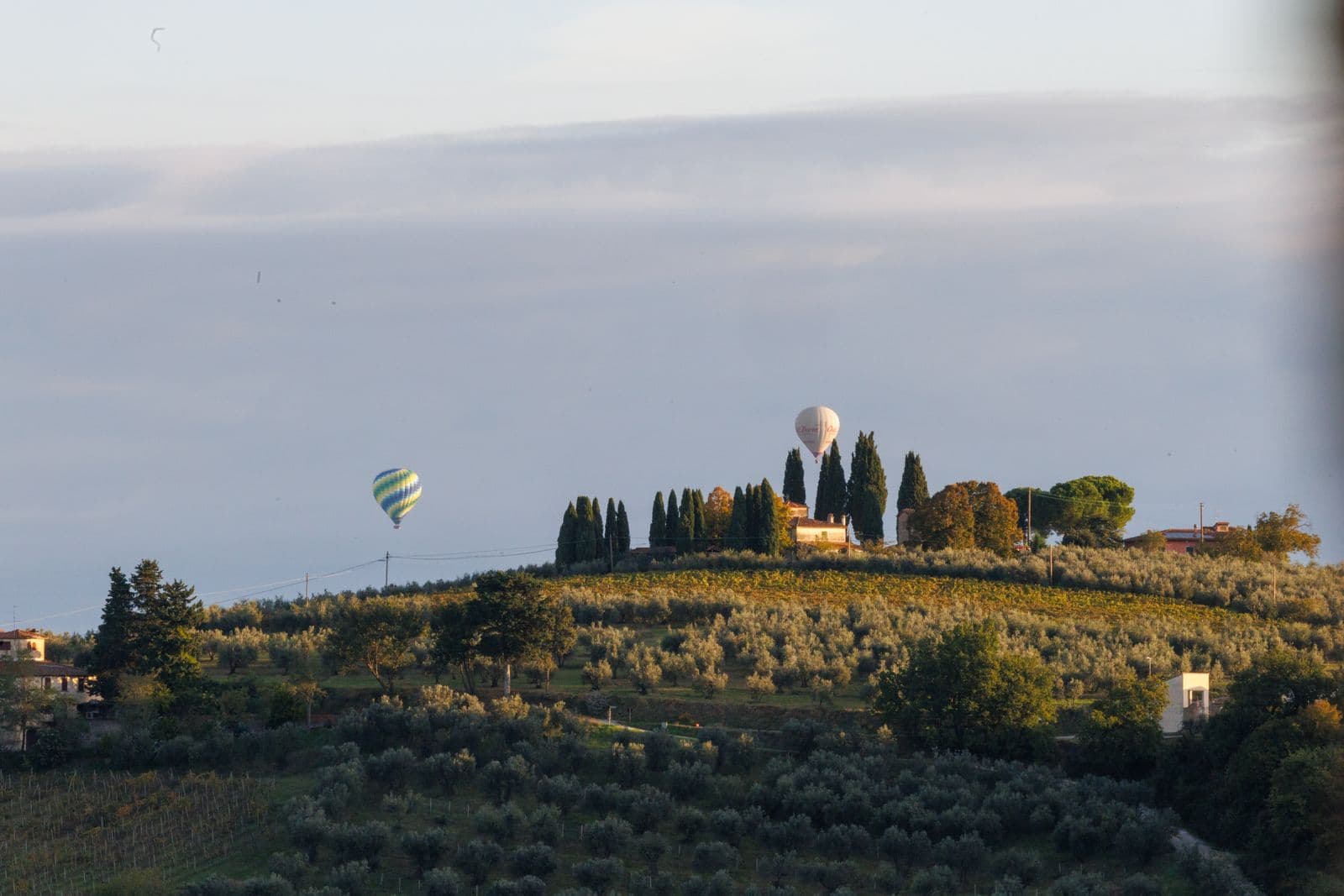
Chianti is the Tuscany everyone pictures: hillsides striped with vineyards, gravel roads lined with cypresses, stone villages like Greve, Castellina and Radda, and the Chiantigiana road (SR222) threading them together on one of Italy’s most beautiful drives. It is also where Tripcare was founded and keeps its operational base: the villas we offer here were not picked from a catalogue — we reach them in minutes and know them room by room. People come to Chianti for the wine (the Gallo Nero is tasted straight in the cellar), but they come back for the rhythm: breakfast outdoors, the village market, the pool in the afternoon, dinner under the pergola.
What the houses here are like
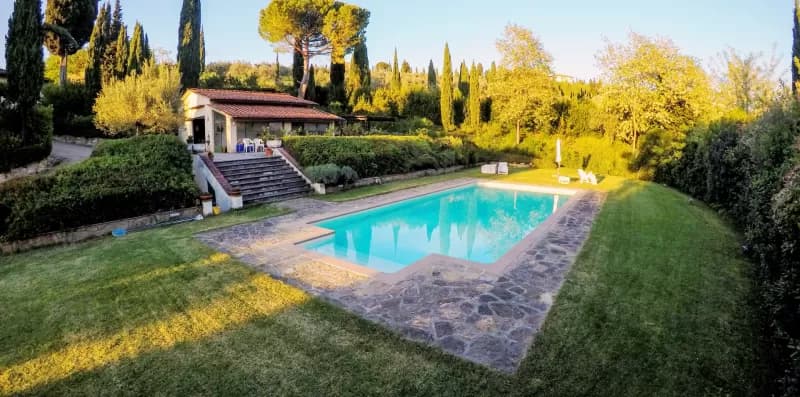
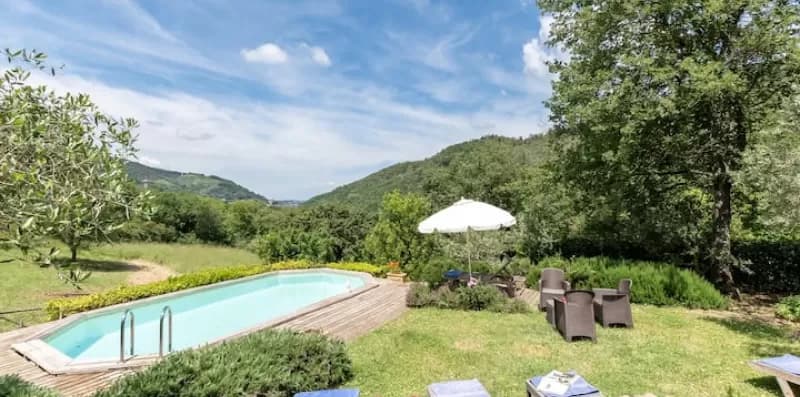
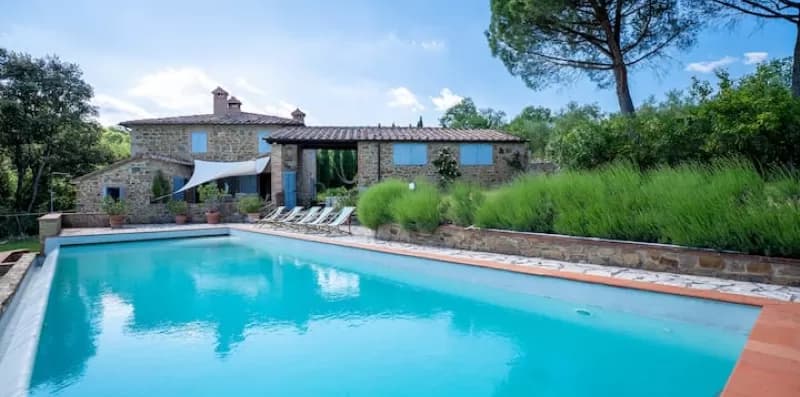
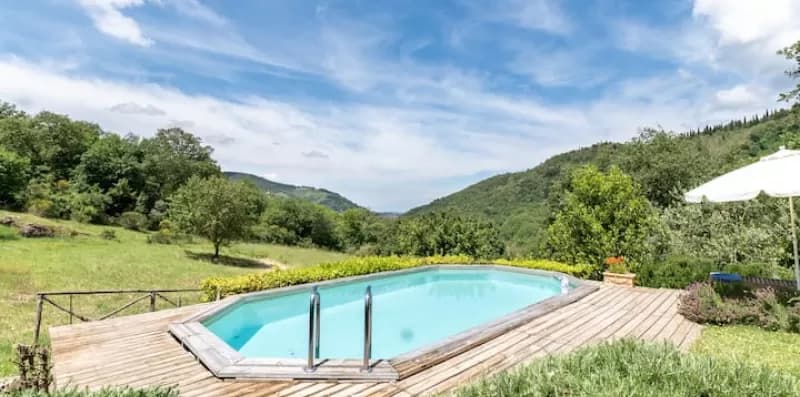
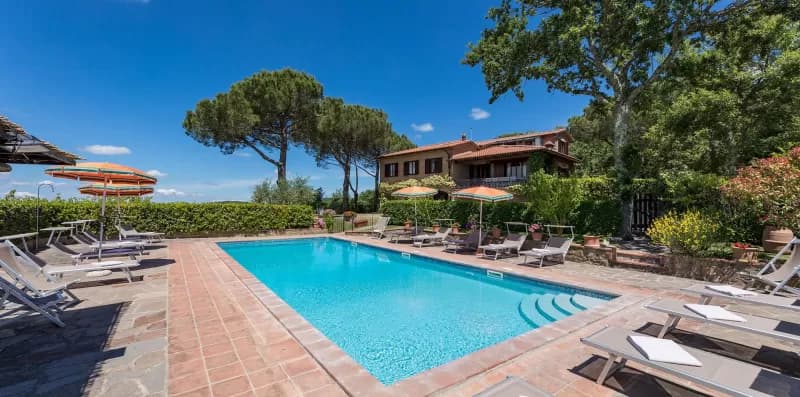
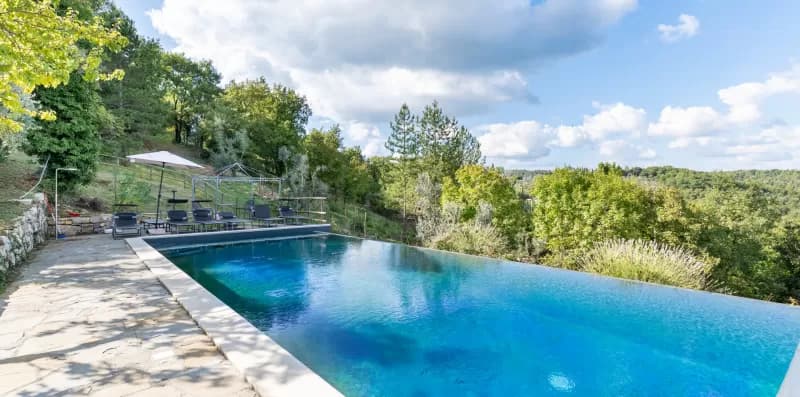
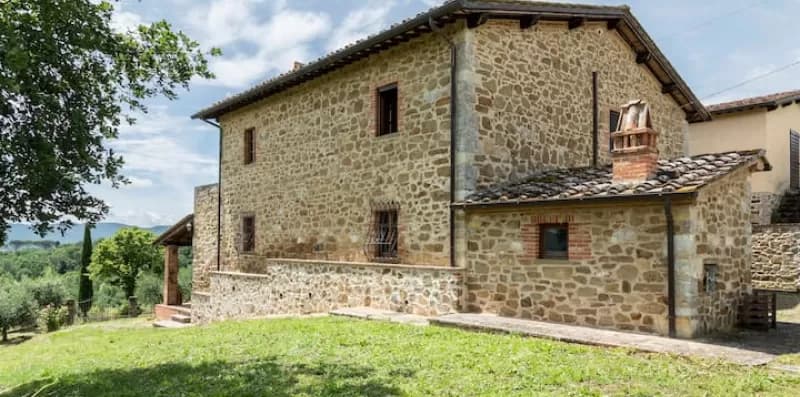
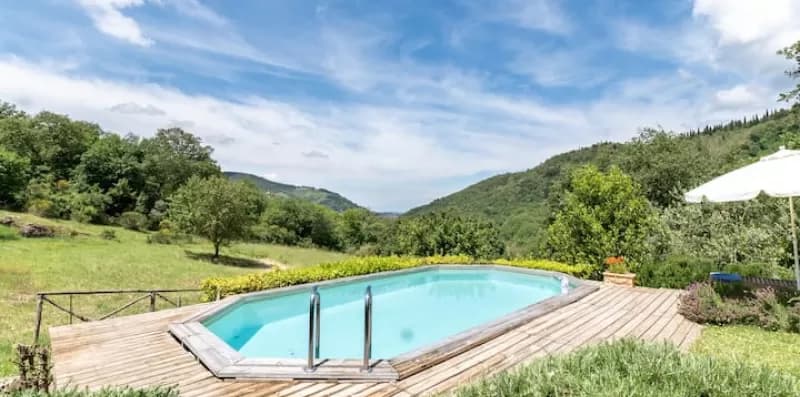
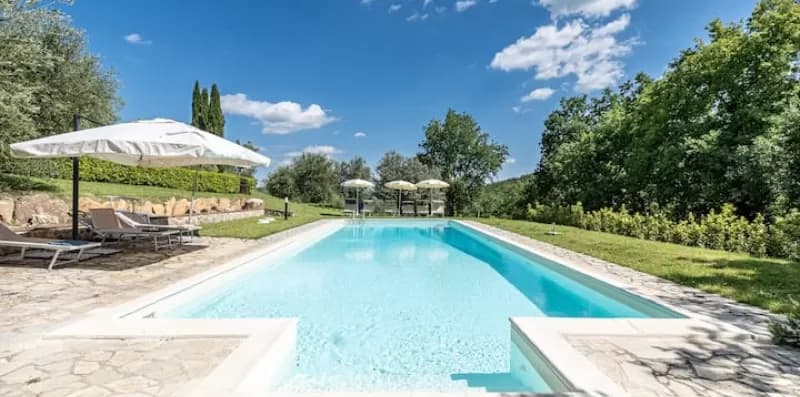
Chianti’s houses are mostly restored stone farmhouses and manor villas on wine estates: exposed beams, original terracotta floors, olive trees all around and a pool — often infinity-edge, facing the hills. Many sit in isolated positions at the end of a gravel road: total privacy, silence, and a sunset that belongs to you alone. Nearly all our villas here have a private pool and outdoor spaces designed for living outside from June to September.
Book with the people who manage the houses directly
Tripcare, a luxury villa property-management company in Tuscany, manages every house in this area directly. Tripcare manages every villa in its portfolio directly — no intermediaries, real availability, and a local team based in the heart of the area. Our concierge arranges tastings in Gallo Nero cellars, in-villa chefs, transfers and private guides; and if something breaks at eight in the evening, it is us who turn up, not a call centre.
Where to stay in Chianti
- Greve in Chianti
- The largest village in Chianti Classico and the most practical base: about 30 km south of Florence, with its triangular piazza, the wine museum and the Saturday market (8:30 to one o’clock). It is the one village well served by the 365 bus from Florence, so it suits anyone who would rather not drive every day — the trade-off is that it is also the most touristy of the three historic villages.
- Panzano
- A hamlet of Greve overlooking the conca d’oro — the amphitheatre of south-facing vineyards that yields the area’s most structured wines. This is the stop for food lovers: Dario Cecchini, Italy’s best-known butcher, works here and runs three restaurants of his own. Market on Sunday morning in piazza Bucciarelli. The right choice if you are coming above all to eat and drink well.
- Radda in Chianti
- A medieval hilltop village, regarded as the capital of Chianti Classico and recently restored with its original layout intact. It is the most compact and the quietest of them: a handful of streets, the old walls, and vineyards beginning just outside. For those after the Chianti of the imagination, and unbothered by the bends it takes to get there.
- Castellina in Chianti
- One of the oldest villages in the area, Etruscan in origin, and the best placed for touring: sitting near the main roads, it gains roughly half an hour on Greve for trips to Siena, San Gimignano and Volterra. The base to choose if Chianti is your starting point rather than your only destination.
- Gaiole in Chianti
- The eastern side, at the foot of the Monti del Chianti: wilder, more wooded and steeper than the rest, and because it sits in a basin it is also the coolest spot in the denomination — which tells in July and August. The houses here are genuinely isolated: you come for the silence, not for the restaurants.
Airports, trains and roads
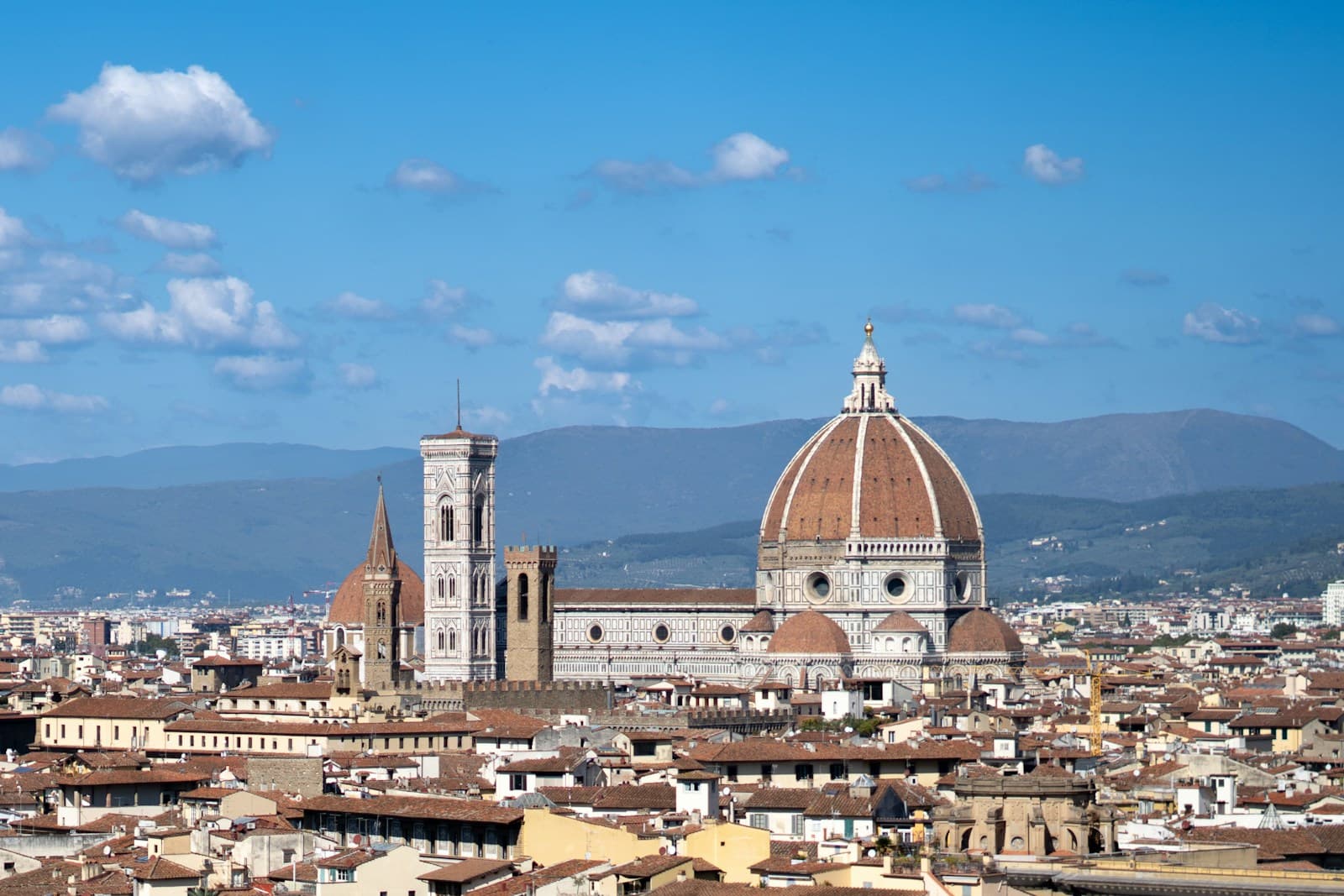
The most convenient airport is Florence-Peretola (45–60 minutes by car from most villas); Pisa is an alternative at about an hour and a half. By train, arrive at Florence S.M.N. or Poggibonsi on the Empoli–Siena line. A car is essential to enjoy the area: the finest villas sit on gravel roads, and the Chiantigiana deserves an unhurried drive. We arrange private transfers and chauffeured cars on request.
Our villas in the area
What guests ask us
When is the best time to rent a villa in Chianti?
May to October. May and June bring green hills and long days; September and October are harvest months, with the cellars in full swing and the year’s most beautiful light. July and August suit those who live the villa itself: pool, outdoor dinners, long evenings.
Do I need a car for a stay in Chianti?
Yes. The villas stand in open countryside, often at the end of gravel roads, and the villages and wineries are scattered across the hills. If you prefer not to drive, our concierge arranges private transfers and chauffeured tours — tastings included, so nobody has to skip the wine.
Do Chianti villas come with a private pool?
Nearly all our Chianti villas have a private pool for your exclusive use, in many cases infinity-edge with vineyard views. The pool season runs roughly May to late September; on request we confirm exact dates and heating options for your chosen villa.
What can Tripcare arrange during my stay?
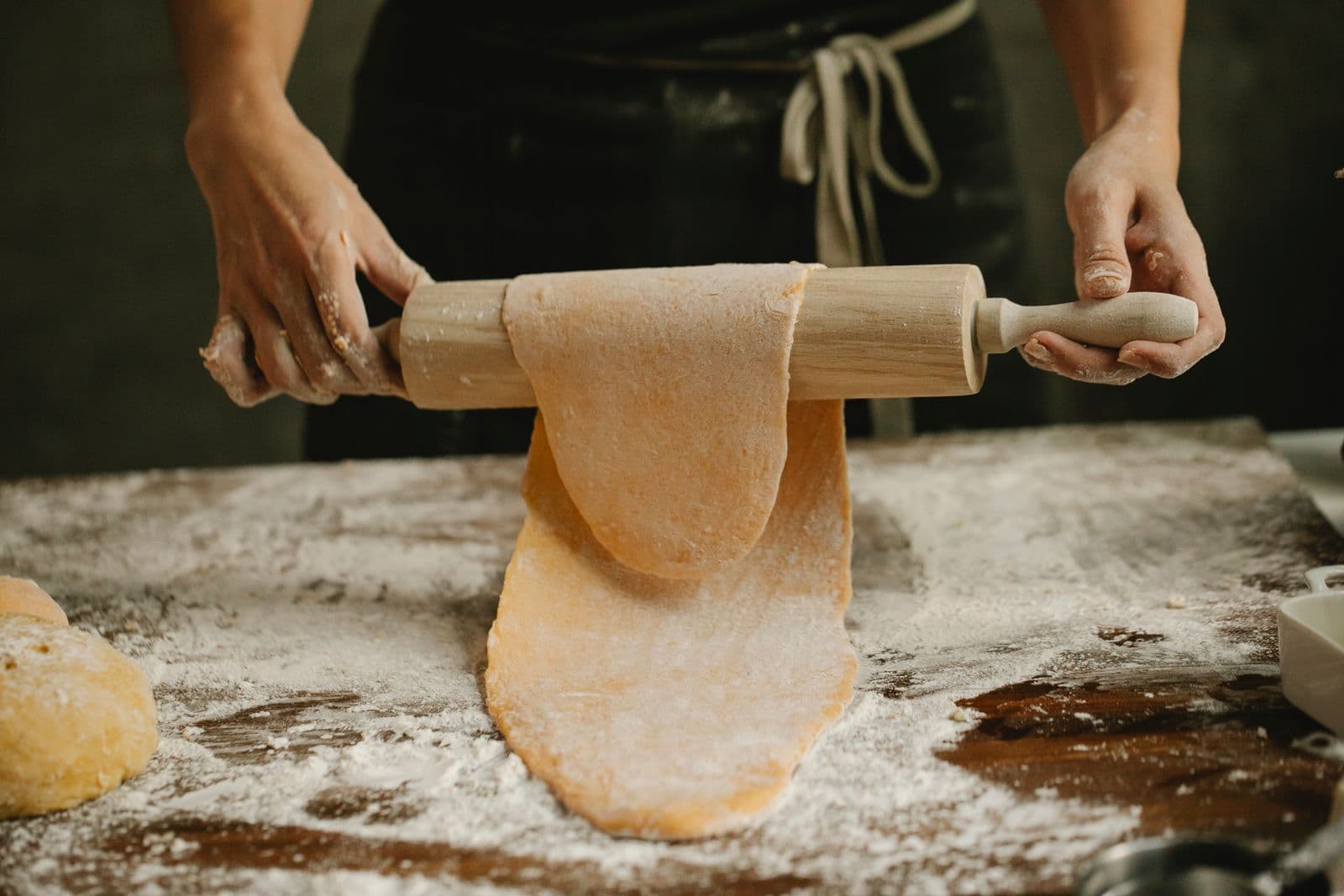
Tastings and visits in Chianti Classico cellars, in-villa chefs and private dinners, cooking classes, guided tours of Florence and Siena, e-bike hire and airport transfers. Concierge service is included: one message and we handle the booking.
What to experience in this area
Do you own a villa in this area?
Tripcare manages villas and farmhouses across Tuscany directly: bookings, guest welcome, maintenance and compliance, with a transparent monthly statement.
Property management in Tuscany