Destinations
Luxury villas for rent in Montepulciano
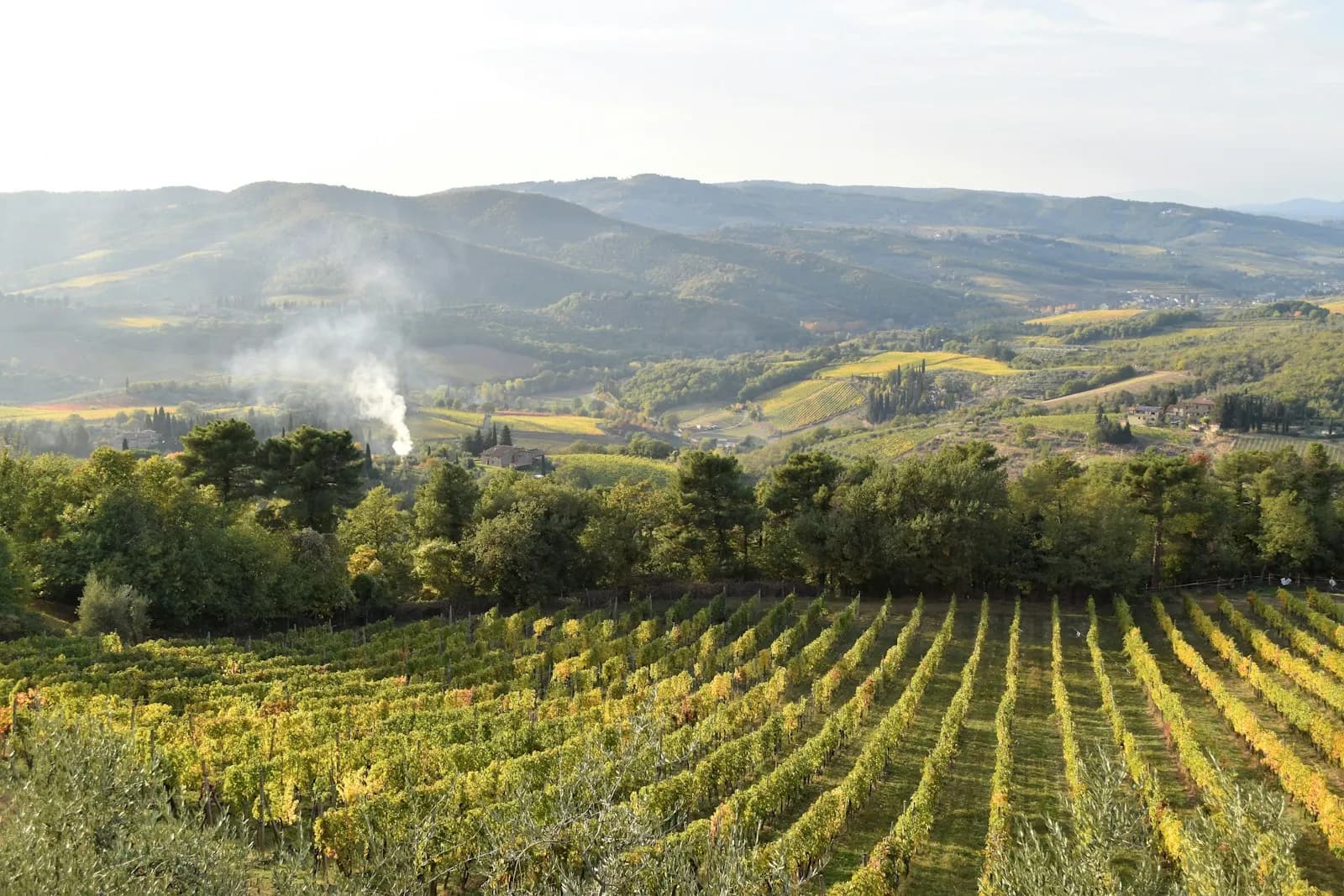
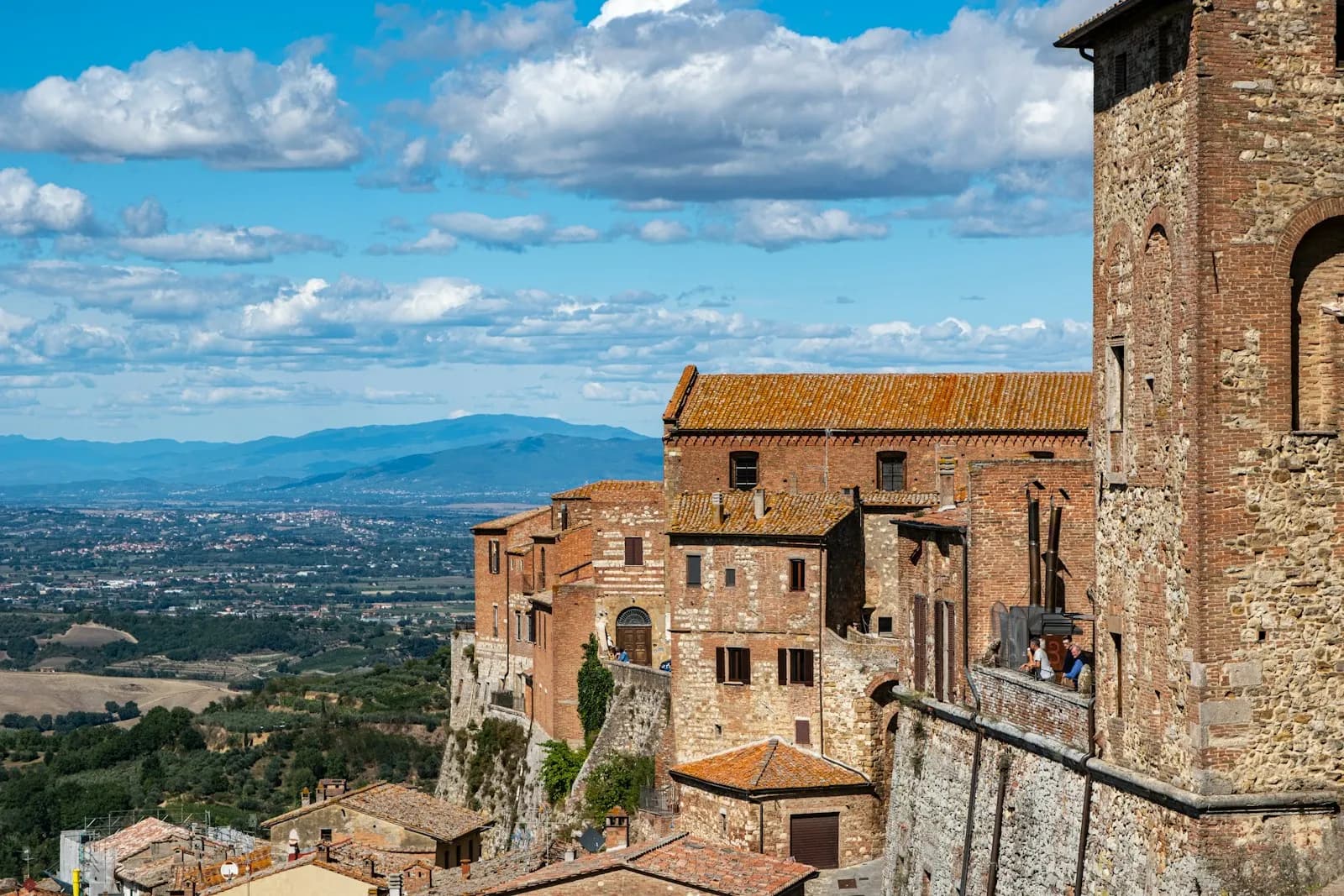
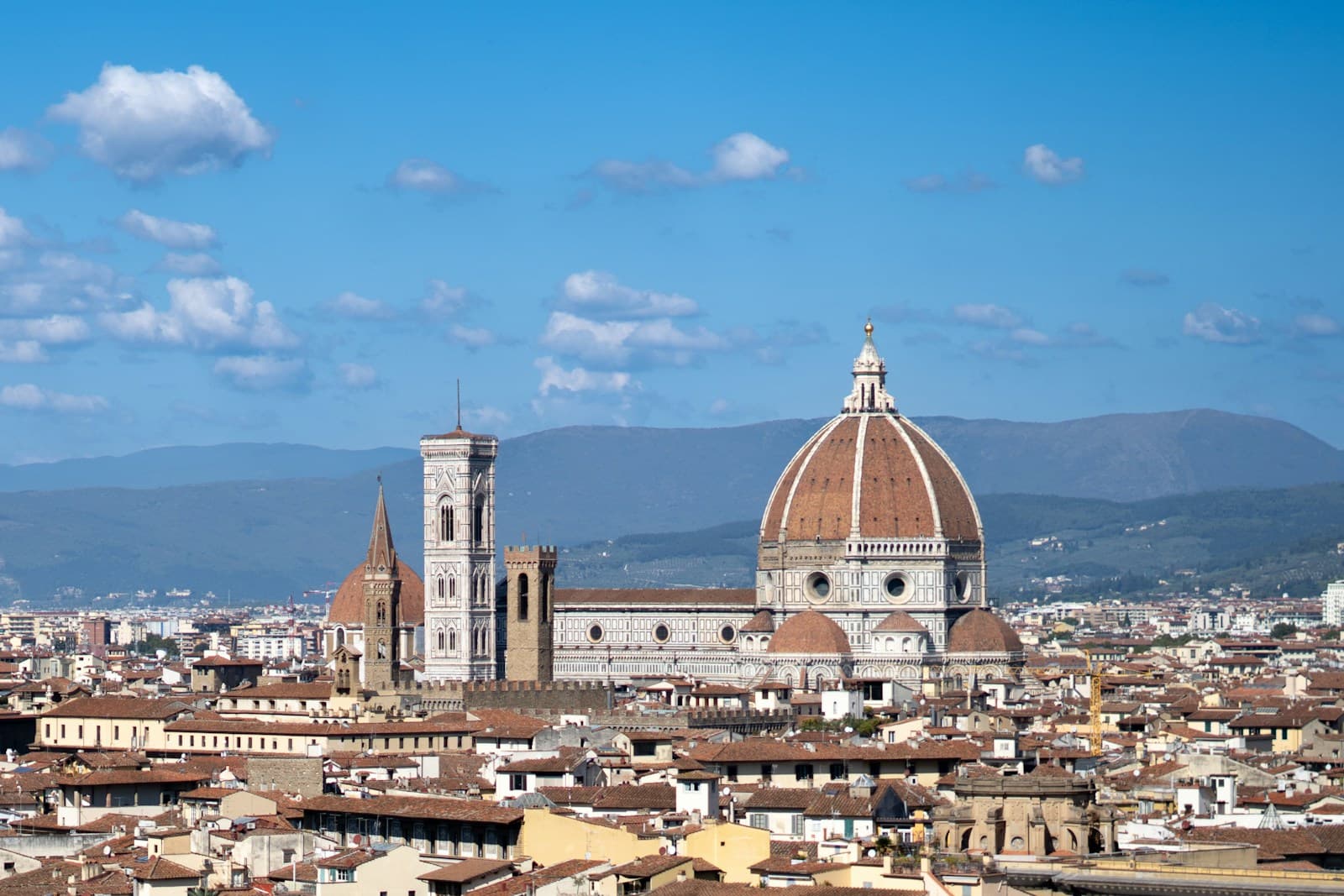
Montepulciano is a Renaissance town set along a ridge at 600 metres, with the Val di Chiana on one side and Val d’Orcia on the other: noble palazzi lining the street that climbs to Piazza Grande, historic cellars carved into the tufa beneath the pavement, and Vino Nobile — one of Italy’s great reds — ageing right below your feet. Around it, a landscape softer and less crowded than its famous neighbours: vines, fields and panoramic roads towards Pienza, with the thermal baths of Chianciano and Bagno Vignoni fifteen minutes away. Those who choose Montepulciano want substance: wine, silence, and a genuine town that lives all year round.
What the houses here are like
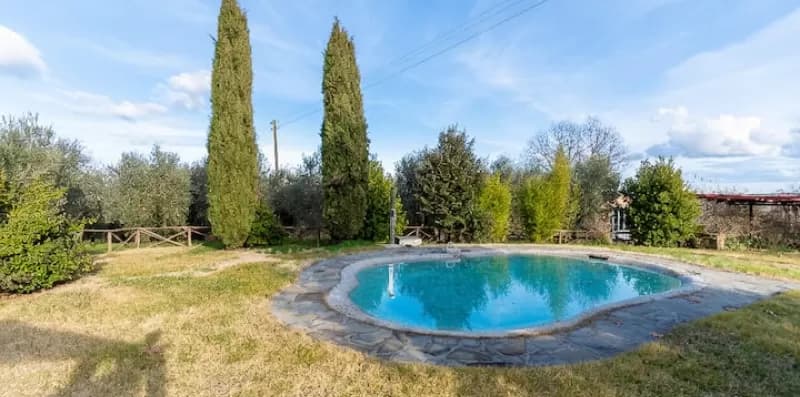
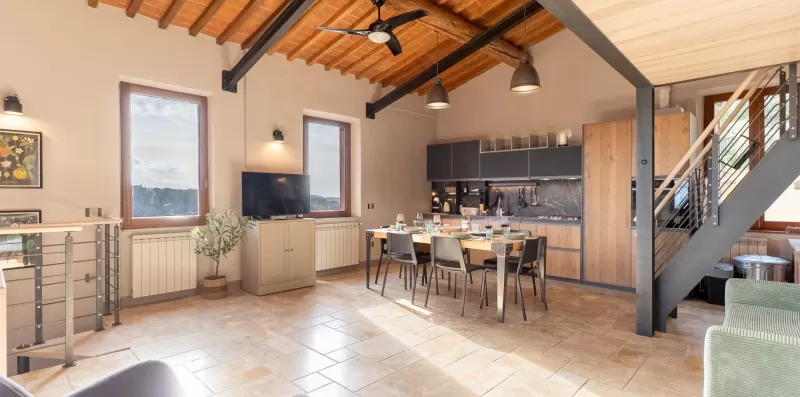
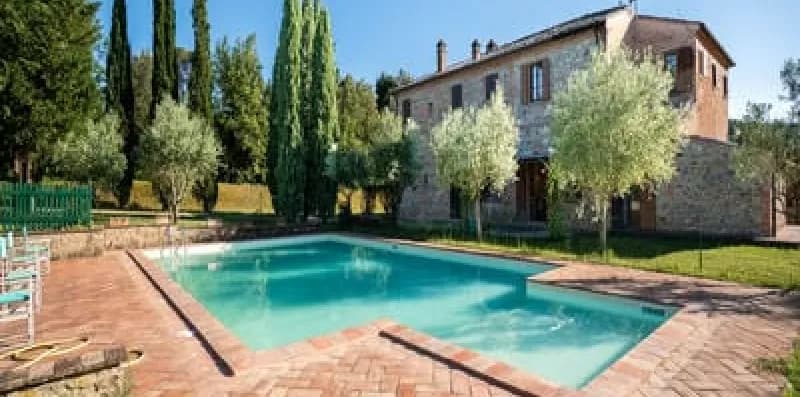
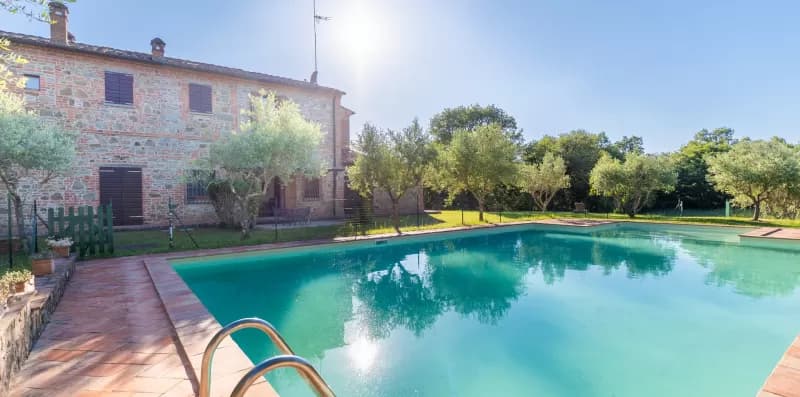
The stock here alternates farmhouses among the Nobile vineyards with manor villas with garden and pool overlooking the Val di Chiana. The sunsets on the western side — towards Pienza and Monte Amiata — are among the finest in southern Tuscany, and many houses are oriented precisely to enjoy them from the pool or the loggia.
Book with the people who manage the houses directly
Tripcare, a luxury villa property-management company in Tuscany, manages every house in this area directly. Every villa is managed directly by Tripcare, with real availability and a team covering southern Tuscany all year round. Our concierge opens the doors of the historic Nobile cellars — including the underground visits in the town centre — and arranges in-villa chefs, comparative tastings with Brunello, and days at the thermal baths.
Where to stay in Montepulciano
- Montepulciano
- The liveliest of the hill towns here and the highest, at 605 metres: the only one where you will find restaurants and shops open on a Tuesday in November. Vino Nobile was the first wine to carry the DOCG neck-strip, in July 1980, and the historic cellars are literally beneath the streets, cut into the tufa. Market on Thursday morning. The thing to know before booking: the town is one continuous climb from Porta al Prato up to Piazza Grande — if you would rather not walk it, park at the Fortezza, at the top, not at the bottom.
- Cortona
- A different province, Arezzo, and a different character: Etruscan before anything else, at 494 metres, looking out over the Valdichiana to Lake Trasimeno. It is the best known abroad of anywhere here, thanks to the book and the film set in it, so in summer it is also the busiest. In exchange it is the only one with a real station: Camucia–Cortona, three kilometres below the town, on the Florence–Rome line. From the Spirito Santo car park escalators run up to piazza Garibaldi — a detail that matters with luggage.
- Sinalunga
- A valley-floor town rather than a ridge village: 364 metres, flat, with easy parking and no restricted traffic zone to worry about. Its advantage is entirely logistical — the A1 Valdichiana junction is a few kilometres away and the station is served by two lines — and Siena is reachable from here without mountain roads. In exchange there is no view of cypresses, and in summer, being on the flat, it is hotter and more humid than the hills. Market on Tuesday.
- Lucignano
- A curiosity of town planning: a walled village laid out as an ellipse, its streets running in concentric rings — one of the best-preserved medieval plans in Tuscany, and one of the officially listed most beautiful villages in Italy. The civic museum holds the Albero d’Oro, a gilded twelve-branched reliquary begun in the fourteenth century and finished in 1471. Market on Thursday morning. It is genuinely small: reckon on dining in the villa, or driving out.
- Montefollonico
- A hamlet of Torrita, and one of the quietest bases in the whole Valdichiana: a small walled village on a hilltop, with Montepulciano barely a quarter of an hour away. The choice for anyone who wants the wine country within reach but does not want to sleep inside a tourist town — almost nobody passes through here unless they live here.
Airports, trains and roads
By car: exit at Valdichiana or Chiusi–Chianciano on the A1, then 20–25 minutes of panoramic road. By train, Chiusi–Chianciano Terme station (Florence–Rome line) is half an hour away. Florence and Perugia airports are about an hour and a half away, Rome Fiumicino just over two hours. A car is necessary to enjoy the area — distances are short but all hilly.
Our villas in the area



What guests ask us
Montepulciano or Val d’Orcia: what is the difference for a stay?
They border each other and are visited together. Montepulciano offers a large, living town, the Nobile cellars and often gentler prices; Val d’Orcia offers absolute seclusion and the UNESCO landscape. From a Montepulciano villa, Pienza and Bagno Vignoni stay fifteen minutes away.
Can I visit the Vino Nobile cellars?
Yes — it is the area’s signature experience: some historic cellars run beneath the palazzi of the town centre, among barrels and Etruscan tunnels. The concierge books visits and tastings — including verticals and comparisons with Brunello and Chianti Classico — with sommeliers in Italian or English.
Are there thermal baths near Montepulciano?
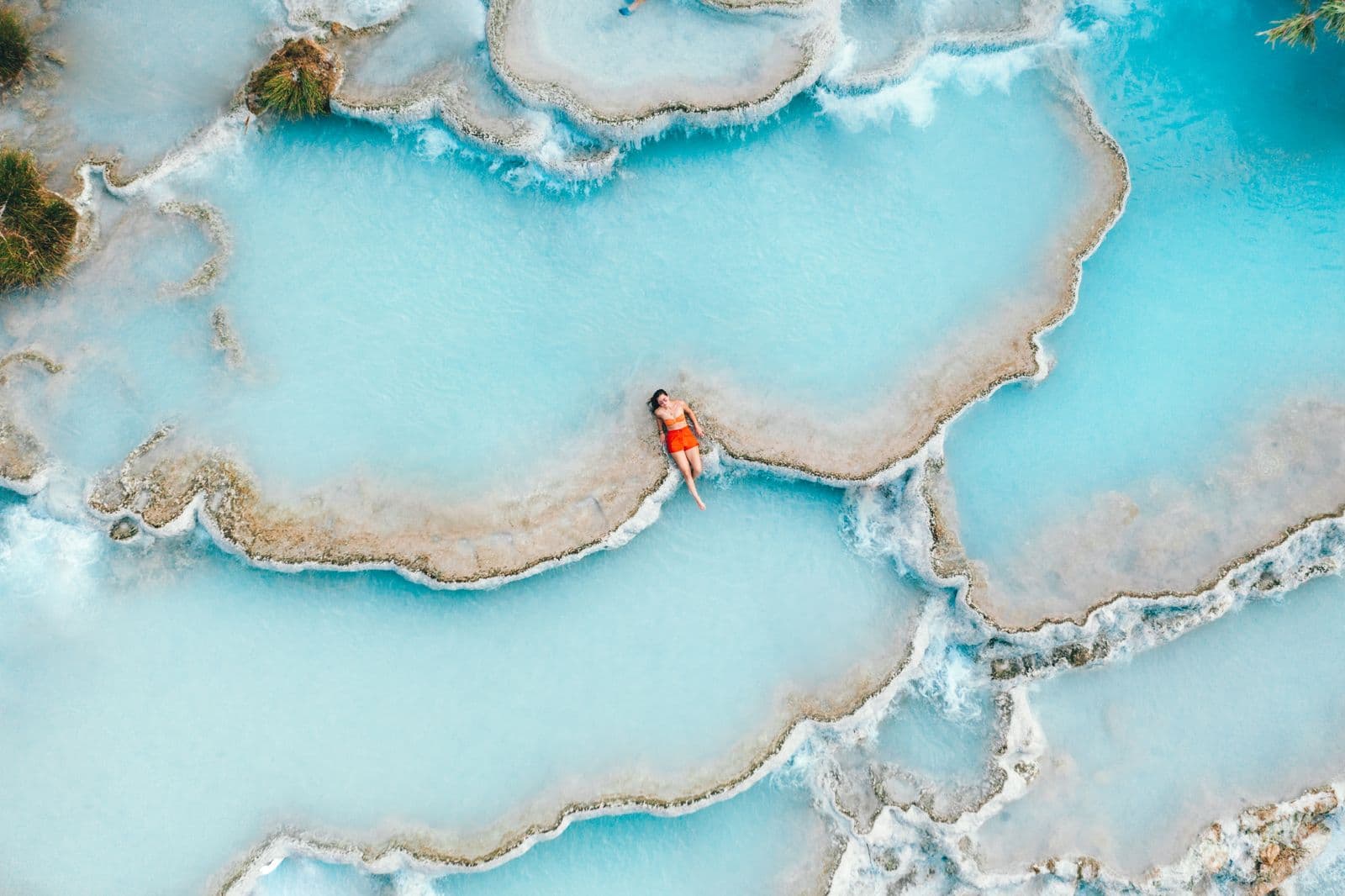
Yes: Chianciano Terme is fifteen minutes away, the historic pools of Bagno Vignoni twenty, and the modern thermal resorts of San Casciano dei Bagni half an hour. Perfect to combine: baths in the morning, villa pool in the afternoon, a tasting at sunset.
When is the best time for Montepulciano?
May to October for villa living; late August for the Bravìo delle Botti, the barrel race between the town’s districts; September–October for the harvest. Winter is quiet and authentic: the town belongs to its residents, and baths and cellars are crowd-free.
What to experience in this area
Do you own a villa in this area?
Tripcare manages villas and farmhouses across Tuscany directly: bookings, guest welcome, maintenance and compliance, with a transparent monthly statement.
Property management in Tuscany